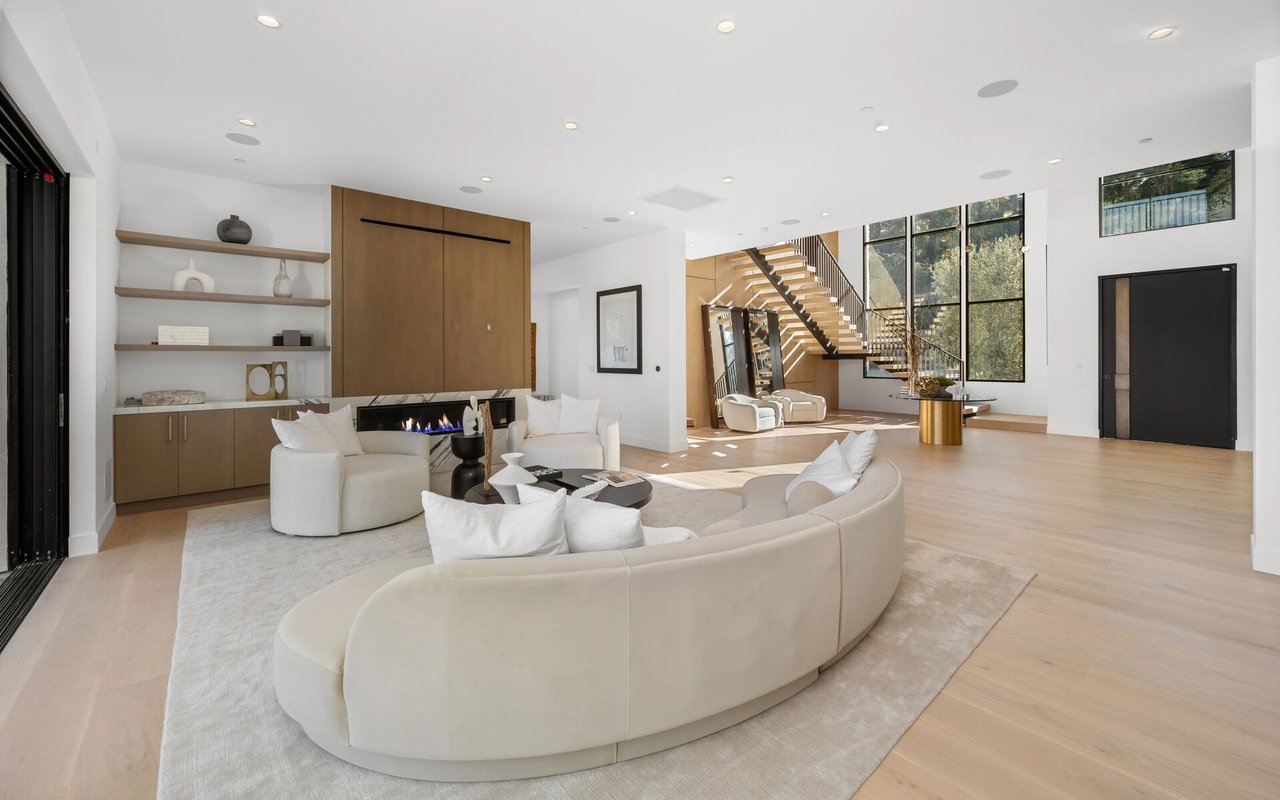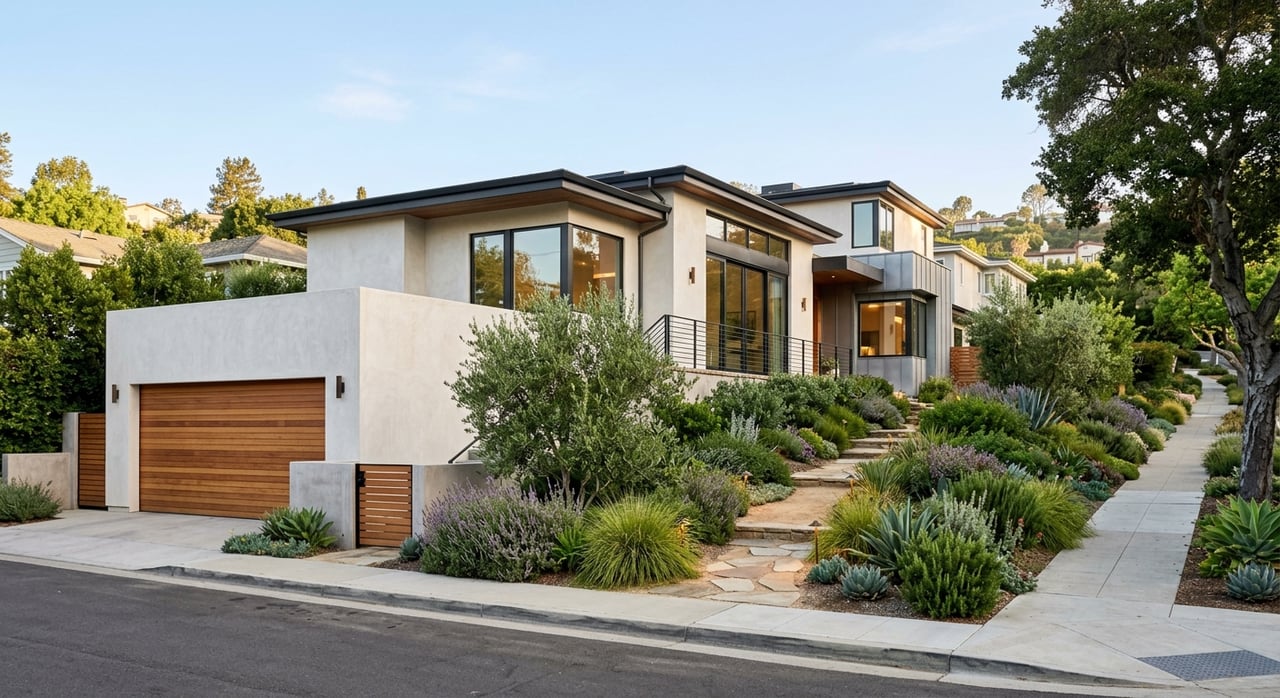
Looking at Studio City and thinking, “Which part actually fits the way I want to live?” You are not alone. While Studio City is often discussed as one neighborhood, its different pockets can feel very different once you get beyond the name on the map. This guide will help you compare the area’s distinct sections by walkability, housing style, setting, and daily convenience so you can narrow your search with more confidence. Let’s dive in.
Why Studio City Feels So Different
Studio City is not one uniform environment. Planning and local district materials show a series of walkability and density bands centered on Ventura Boulevard and the canyon roads.
The pedestrian-oriented core is along Ventura Boulevard between Whitsett and Carpenter/Ventura Place. West of Whitsett, parcels are generally larger and less walkable, and residential streets quickly replace the commercial strip north of Valleyheart and south of Ventura. For you as a buyer, that means your day-to-day experience can change a lot from one pocket to the next.
Start With Your Buyer Priorities
Before you compare specific areas, it helps to decide which tradeoffs matter most to you. In Studio City, buyers often choose between walkability, privacy, older-home character, trail access, and lower-maintenance living.
A simple way to think about it is this: some areas place you closer to shops and a more active street scene, while others offer quieter residential blocks or hillside settings. Neither is better across the board. It depends on how you want your week to feel.
Laurel Terrace for Flat Streets and Character
Laurel Terrace is one of Studio City’s earliest residential neighborhoods. It covers roughly 12 blocks on flat terrain and has a more regular street grid than many other parts of the area.
Homes here were mostly built between 1923 and 1953 and include Period Revival, Minimal Traditional, and Ranch designs. If you are drawn to older-home character and want easier terrain with strong Ventura Boulevard access, Laurel Terrace is one of the clearest fits.
This pocket can appeal to buyers who want a neighborhood feel without hillside driving. The tradeoff is that older homes may come with the style and layout of an earlier era, which can matter if you want newer finishes or a more modern floor plan.
Tujunga Village for a Small-Scale Main Street Feel
Tujunga Village offers one of the most distinct identities in Studio City. The commercial block on Tujunga Avenue between Moorpark and Woodbridge is a pedestrian-oriented stretch with one-story storefronts, wide sidewalks, mature trees, and limited surface parking.
For buyers, that creates a more village-like feel than a typical busy corridor. It is a useful area to explore if you want the experience of having a smaller-scale commercial pocket nearby rather than relying only on Ventura Boulevard.
Nearby, the Agnes Avenue Residential Historic District adds another layer of appeal. This pocket includes five American Colonial Revival homes from 1937 and 1938 with deep setbacks, large lots, and landscaped parkways.
Together, Tujunga Village and the adjacent flats are often a strong match if you value walkability, older character, and a neighborhood setting that feels intimate rather than sprawling.
Colfax Meadows for a Quieter Residential Feel
Colfax Meadows sits closer to the Los Angeles River edge and is described in city materials as a single-family area that aims to preserve a village atmosphere rather than an urban one. In practical terms, it reads as flatter and mostly residential.
If you want to stay close to Studio City’s main amenities but prefer a quieter day-to-day setting, this area deserves a look. It can offer a middle ground between convenience and a more tucked-away feel.
For many buyers, that balance is the key draw. You are not as immersed in the retail spine, but you are still close enough to reach Ventura-area amenities without making the neighborhood itself feel commercial.
South of Ventura for an In-Between Option
The streets south of Ventura, especially where the commercial corridor tapers off, can be a smart option if you want quick access to shops, dining, and daily errands without living in the busiest stretch. Local district materials show that around Vantage south of Ventura, land use shifts back toward residential and single-family streets.
A similar pattern appears north of Valleyheart along Laurel Canyon, where residential uses take over beyond the main commercial activity. For buyers, these edges often feel like an in-between zone.
If your goal is “close, but not too close,” this part of Studio City may check the right boxes. You can stay near the action while stepping back into quieter residential blocks at home.
Fryman Canyon for Privacy and Trail Access
If you picture Studio City as a hillside retreat with a more secluded feel, Fryman Canyon is likely the pocket you are imagining. This area developed differently from the flatter sections, with residential subdivision not taking shape until the late 1930s.
Today, the area stands out for lower density and direct access to outdoor space. Wilacre Park’s trail access at Fryman Road and Laurel Canyon gives this part of Studio City a strong connection to hiking and a more tucked-away atmosphere.
For buyers, Fryman Canyon is often about tradeoffs in the other direction. You may gain privacy, hillside character, and trail proximity, but you are choosing a different lifestyle than the flatter, more walkable pockets near Ventura or Tujunga Village.
Moorpark Street for Lower-Maintenance Living
Not every Studio City buyer is searching for a detached single-family home. If you want a condo, apartment-style home, or another lower-maintenance option, Moorpark Street is a natural place to begin your search.
Historic and planning records identify a concentration of multi-family uses here, including a 1950s garden-apartment district with uniform setbacks, mature landscaping, and landscaped courtyards. That creates a different housing pattern than the single-family pockets found in other parts of Studio City.
This can be especially useful if you want Studio City access with a simpler ownership setup. Buyers who prioritize convenience, less exterior upkeep, or a different price point often start here and then compare nearby multi-family pockets.
Compare Studio City by Lifestyle
If you want to simplify your search, focus on the daily experience each pocket tends to offer.
Best for walkability and older character
Laurel Terrace, Agnes Avenue, and the Tujunga Village-adjacent flats are strong options if you want flatter streets, older architecture, and easier access to pedestrian-oriented areas. These are often the places where Studio City feels most village-like.
Best for privacy and outdoor access
Fryman Canyon stands out if your priorities include a more secluded setting, lower density, and quick access to trails. It offers a very different rhythm than the flatter central sections.
Best for lower-maintenance ownership
Moorpark Street and nearby multi-family pockets are the clearest starting point if you are considering condos or other housing types that may involve less exterior maintenance.
Best for Ventura access with quieter streets
Colfax Meadows and the residential edges south of Ventura and north of Valleyheart often work well if you want convenience without being in the middle of the busiest commercial blocks.
Transit and Everyday Convenience
For commuting and regional access, the most useful transit node in Studio City is Universal City/Studio City Station. Metro identifies the station as served by the B Line and local bus routes 155, 224, and 240.
Metro also lists station parking, including 550 paid spaces and 80 free spaces on Ventura Boulevard. If transit access matters to you, this is an important point of comparison when weighing different parts of Studio City.
On the amenities side, the strongest everyday mix is concentrated along Ventura Boulevard and in the Tujunga Village area. For recreation, Studio City Recreation Center includes features such as basketball courts, tennis courts, a baseball diamond, picnic tables, a children’s play area, outdoor fitness equipment, an auditorium, and a stage.
How to Narrow Your Search Faster
If you are early in your search, try ranking these four priorities from most important to least important:
- Walkability
- Privacy
- Older-home character
- Lower-maintenance living
Then pair your priorities with the Studio City pocket that best supports them. That approach is often more useful than trying to judge the neighborhood as a single, catch-all market.
A focused search can also help you move faster when the right property appears. When you already know whether you prefer the Ventura-adjacent flats, a village-style pocket, a quieter residential edge, or a hillside setting, you can make better decisions with less second-guessing.
Studio City rewards buyers who look closely at the micro-location, not just the zip code. If you want help comparing streets, property types, and the tradeoffs between Studio City’s distinct areas, Denise Marks can help you search with a local, strategic point of view.
FAQs
Which Studio City areas are best for walkability?
- Laurel Terrace, Agnes Avenue, and the Tujunga Village-adjacent flats are among the strongest options for buyers who want walkability and older neighborhood character.
Which Studio City area feels quieter but still convenient?
- Colfax Meadows and the residential edges south of Ventura and north of Valleyheart often offer a quieter residential feel while staying close to main amenities.
Which Studio City area is best for hiking access?
- Fryman Canyon is the standout choice for buyers who want a more secluded setting with close access to the Wilacre Park trailhead.
Where should I look for condos in Studio City?
- Moorpark Street and nearby multi-family pockets are a practical starting point if you want condos, apartment-style homes, or other lower-maintenance options.
What is the main commercial area in Studio City?
- Ventura Boulevard between Whitsett and Carpenter/Ventura Place is identified in local district materials as Studio City’s main pedestrian-oriented commercial core.