Trying to choose between Calabasas and Woodland Hills? You’re not alone. Both offer great neighborhoods in the western San Fernando Valley, but they fit different priorities and budgets. In this guide, you’ll compare housing styles, price dynamics, commute patterns, daily amenities, schools, HOA norms, and long-term resale factors so you can move forward with confidence. Let’s dive in.
Quick take: Calabasas vs Woodland Hills
- Calabasas: Prestige, larger lots, many gated communities, and a strong single-family focus with a quieter suburban feel. Limited condo options and a higher price premium overall.
- Woodland Hills: More housing variety and value entry points, from condos to mid-century homes to hillside estates. Closer to Warner Center job hubs, with robust retail and services.
Housing styles and options
Calabasas home types
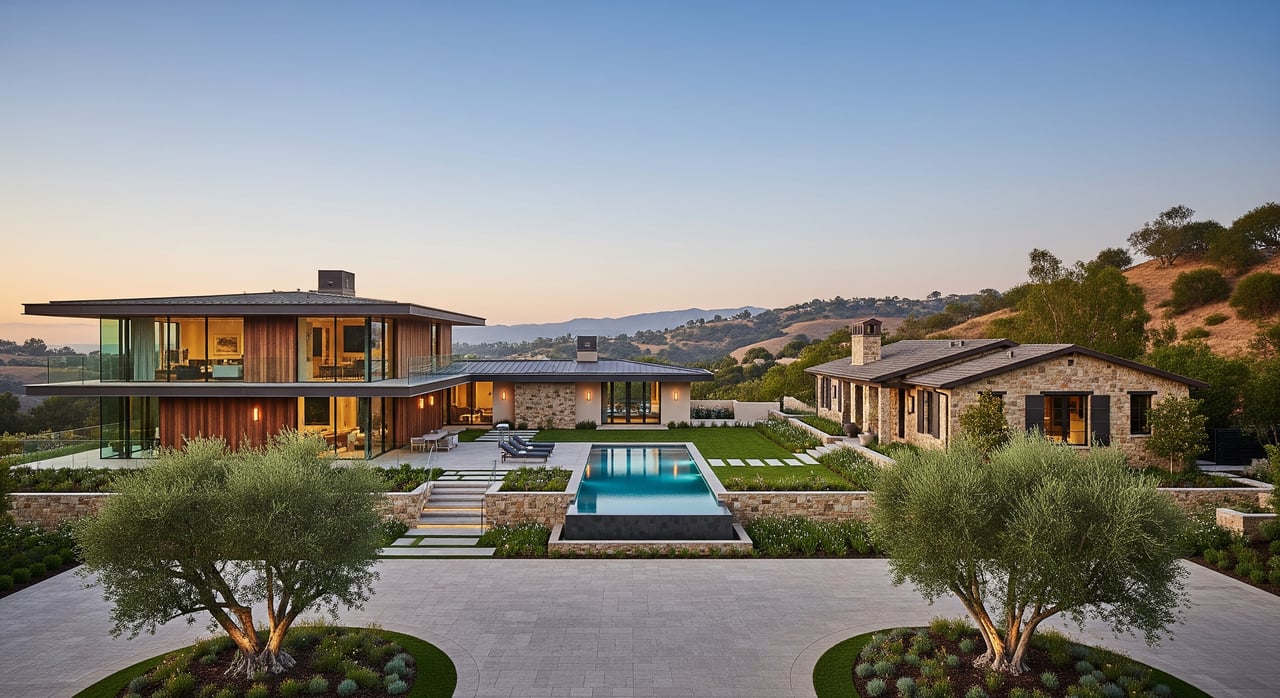
Calabasas is dominated by single-family homes on medium to large lots, often in gated or HOA-governed communities. You’ll see many estate-style properties with Mediterranean, Spanish, or modern finishes, plus newer remodels and high-end infill. Condos and townhomes exist, but they make up a smaller share of the market compared with Woodland Hills.
Woodland Hills home types
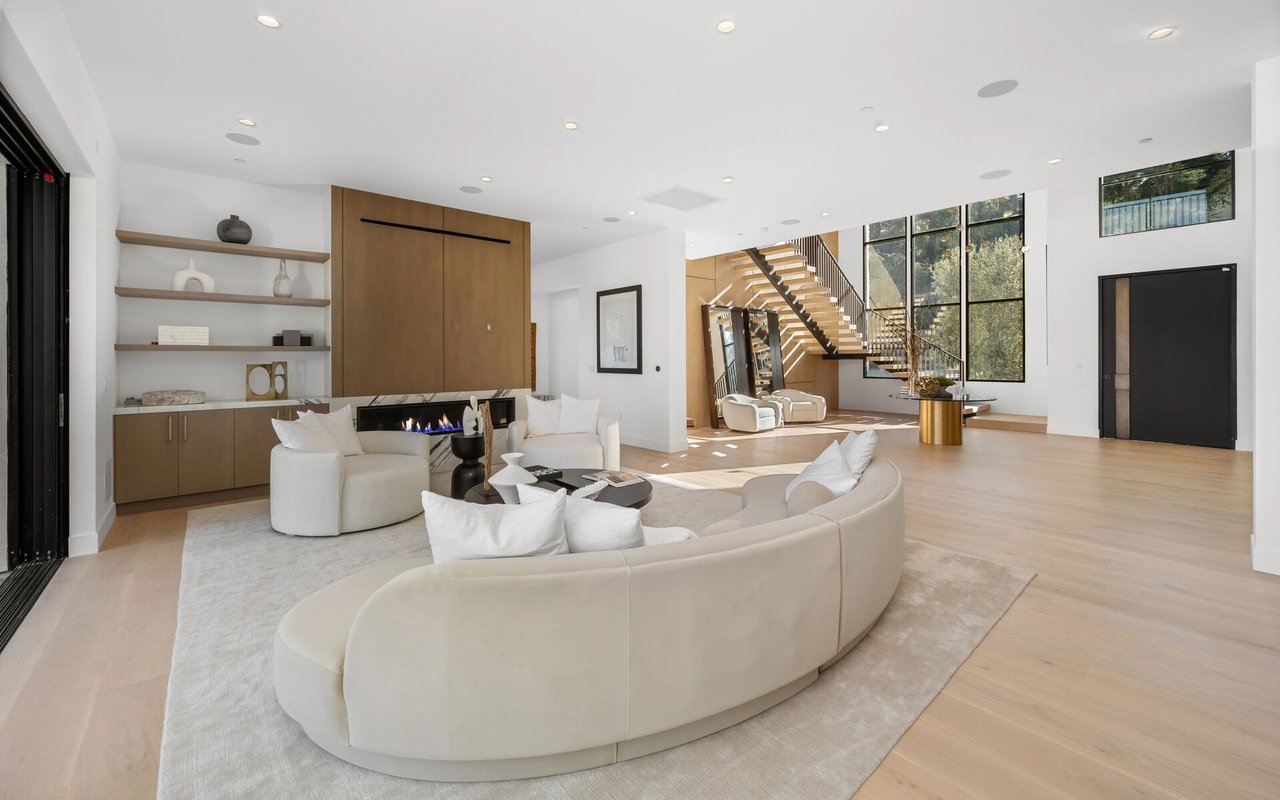
Woodland Hills spans entry-level condos and apartments, classic ranch and post‑war tract homes, and luxury hillside properties. It has more options for buyers seeking renovation projects or higher-density living. The mix of older housing and new infill creates a wider range of price points and styles.
Price and value overview
Calabasas generally commands higher median prices and price per square foot than Woodland Hills. The premium reflects larger lots, luxury construction, gated neighborhoods, and strong name recognition. Woodland Hills tends to offer greater variety and more opportunities to stretch your budget, especially in older tracts and condo communities. For current numbers, ask for up-to-date comps and recent market stats before you decide.
Commute and access
Calabasas commute patterns
US‑101 runs through Calabasas, making westbound access toward Malibu and the coastal foothills convenient. It can also position you somewhat closer to the far Westside in pure miles. Real-world drive times depend on congestion, so always test your commute at peak hours.
Woodland Hills commute patterns
Woodland Hills offers shorter trips to Warner Center and many San Fernando Valley employers. With direct access to the 101 and quicker routes to the 118, it often provides more flexible east–west movement across the Valley. Like anywhere in LA, traffic windows matter, so compare your typical time frames.
Schools and family life
Calabasas is mainly served by Las Virgenes Unified School District, which is often recognized for strong performance in statewide comparisons. Woodland Hills is part of the Los Angeles Unified School District and includes a range of public, charter, and nearby private options. Always verify school boundaries for a specific address and confirm current enrollment policies.
On weekends, Calabasas offers a smaller-town feel with Old Town Calabasas, a popular farmers market, and The Commons for retail and dining. Woodland Hills has a busier commercial footprint, including Warner Center and major shopping and entertainment options, which makes daily errands and services very convenient.
Safety, natural hazards, and insurance
Both areas are generally considered safe relative to larger LA averages, with differences by micro-neighborhood. Because these communities sit near the Santa Monica Mountains, some hillside pockets face elevated wildfire exposure, and certain creekside or canyon lots may involve flood or landslide considerations. When you get serious about a property, pull parcel-level wildfire and FEMA flood information, review brush clearance requirements, and obtain insurance quotes early in your process.
HOAs, rules, and ongoing costs
California property taxes are governed by Proposition 13, which sets a base rate near 1 percent of assessed value, plus local assessments. In Calabasas, you’ll find a higher prevalence of HOA-governed neighborhoods, so expect architectural guidelines and monthly dues. Woodland Hills has many older, non‑HOA streets, though condos and newer developments will include HOA fees. Since Calabasas is an incorporated city and Woodland Hills is within the City of Los Angeles, permitting and design review processes differ by jurisdiction.
Resale and long-term outlook
Strong schools, larger lots, prestige, and limited new single-family supply help support Calabasas price stability in many segments. Woodland Hills often draws a broad buyer pool due to its variety of homes and price points, with potential upside for thoughtful renovations near job centers and major corridors. Keep an eye on interest rates, local planning updates, and natural hazard factors, which can affect both markets over time.
Which buyer are you?
- Family prioritizing schools and a gated feel: Calabasas often fits best with its many planned communities and single-family focus.
- Maximizing square footage for your budget: Woodland Hills typically delivers more options and value plays, including homes that reward renovation.
- Commuter headed to Warner Center or Valley employers: Woodland Hills can shorten daily drive times and expand transit choices nearby.
- Investor or renovation-minded buyer: Woodland Hills offers more older stock and project opportunities, while Calabasas has targeted remodel potential in select communities.
Your step-by-step decision plan
- Budget and target price band
- Define your budget and compare what that buys in each area, including typical lot size, age, and condition.
- Review 6 to 12 months of comps and factor in a realistic renovation allowance if you plan updates.
- Daily priorities and tolerances
- Set your commute tolerance at peak times and test routes.
- Decide on public versus private school plans and confirm boundaries for any address.
- Choose your preferred lifestyle: gated and HOA controls or independent ownership.
- Decide if you want low-maintenance condo living or a larger yard.
- Hard constraints and deal-breakers
- Set maximum acceptable wildfire and flood risk.
- Clarify HOA rules on pets, rentals, and exterior changes.
- Confirm transportation needs, including school transportation if relevant.
- On-the-ground checks during tours
- Note street-level noise, traffic flow, and parking.
- Map distance to grocery, medical services, and childcare.
- Inspect yard orientation, slope, and drainage, which matter in hillside locations.
- Observe the condition of neighboring properties since it affects long-term value.
- Verify utilities, including sewer connections and any unusual easements.
- Financial and inspection due diligence
- Review HOA budgets, reserve studies, and any special assessments.
- Order parcel-level hazard reports and obtain insurance quotes early.
- Check permit history for additions or major remodels and ask for structural inspections where appropriate.
- Review past property tax and assessment history.
What to look for on tours
Use this quick checklist as you compare homes in both areas:
- Curb appeal, privacy, and lot usability
- Interior flow, storage, and natural light
- Street noise, overhead lines, and cut‑through traffic
- Drive time to work, school, and daily errands at rush hour
- HOA rules and dues, if applicable
- Age of roof, HVAC, plumbing, and electrical systems
- Yard slope, retaining walls, and drainage patterns
Next steps
If you are weighing Calabasas against Woodland Hills, see homes in both areas during the same week and at your typical commute times. Ask for tailored comps by price band, early insurance quotes for hillside properties, and clarity on HOA rules. When you are ready for a focused plan and on-the-ground insight, connect with Denise Marks for local guidance, strategic negotiation, and a smooth path to your next home.
FAQs
Is Calabasas more expensive than Woodland Hills?
- Yes, Calabasas generally carries a price premium due to larger lots, gated communities, and luxury finishes compared with Woodland Hills.
How do school districts differ between Calabasas and Woodland Hills?
- Calabasas is mainly served by Las Virgenes Unified, while Woodland Hills is within LAUSD; verify exact boundaries for any address and review options that fit your needs.
What HOA differences should I expect between the two areas?
- Calabasas has more gated, HOA-governed communities with architectural controls, while Woodland Hills includes many non‑HOA streets along with condos and newer HOAs.
How significant is wildfire risk in Calabasas and Woodland Hills?
- Both have hillside pockets near the wildland–urban interface; evaluate parcel-level risk, brush clearance requirements, and insurance availability before offering.
What is the commute like to Warner Center and the Westside?
- Woodland Hills typically offers shorter trips to Warner Center and flexible Valley access, while Calabasas can position you closer to the coastal foothills and parts of the Westside depending on traffic.
Is Woodland Hills a good choice if I want condo options?
- Yes, Woodland Hills offers more condos and entry-level multifamily choices, which can provide additional value entry points compared with Calabasas.