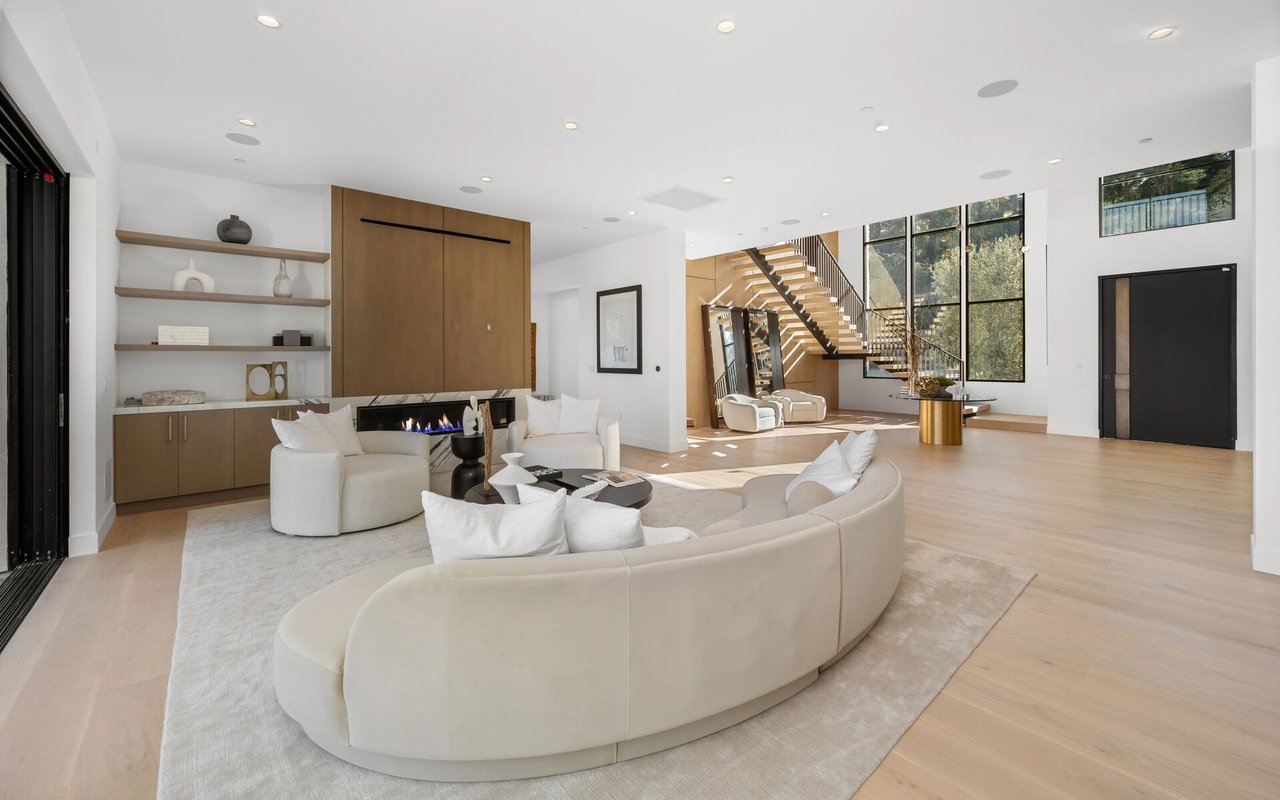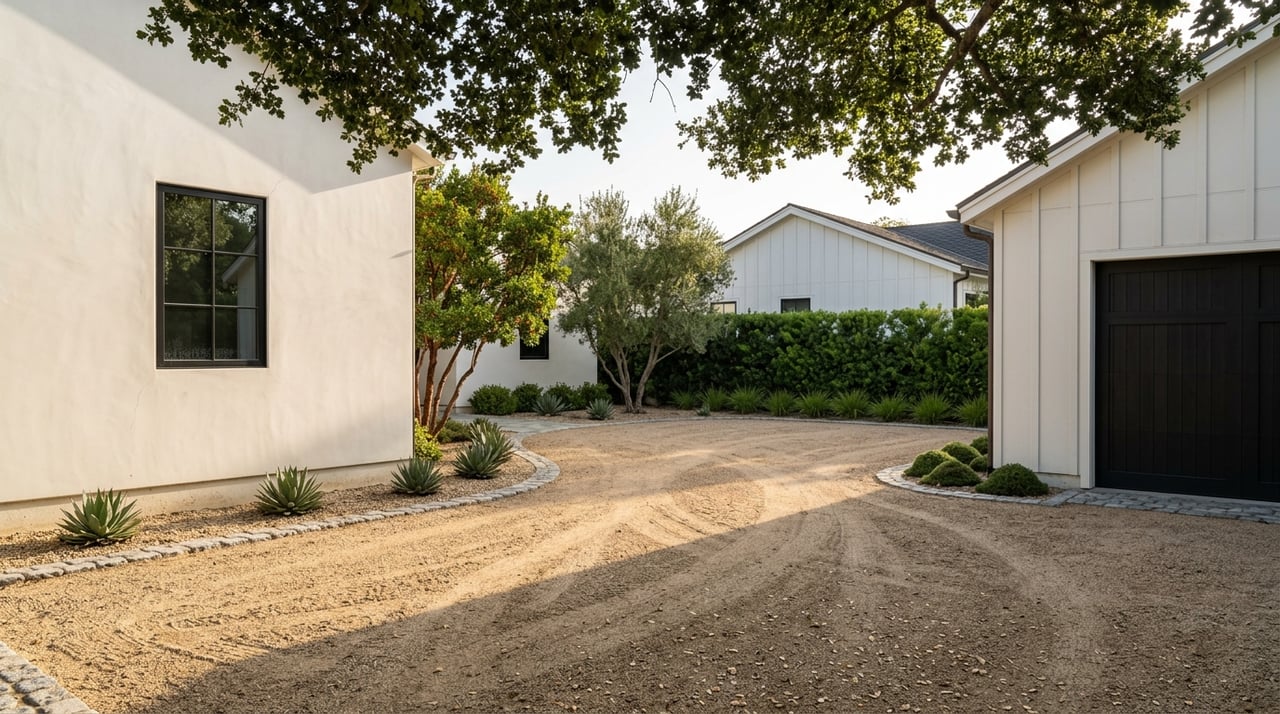
Looking for a home that feels worlds away from the usual suburban pace? Hidden Hills offers a very specific kind of estate living, where large parcels, gated access, equestrian trails, and community rules all shape how your day unfolds. If you are considering a move here, it helps to understand not just the homes, but the lifestyle that comes with them. Let’s dive in.
What makes Hidden Hills distinct
Hidden Hills is a small city on the western edge of the San Fernando Valley in Los Angeles County, with about 1,700 to nearly 2,000 residents according to city and community sources. It is known for a low-density, rural-equestrian setting defined by horses, white three-rail fences, barns, corrals, and miles of trails.
The setting feels different from many luxury neighborhoods because the design is intentional. The city notes there are no sidewalks or streetlights, and official materials also reference a weekly farmers market. That combination helps create a quieter, more controlled daily rhythm centered on open space and privacy.
Space is a core part of the appeal
One of the clearest features of Hidden Hills estate living is lot size. The city’s housing element states that most parcels are at least one acre, and the primary residential pattern is single-family detached homes.
That scale gives you more room to spread out, whether you value distance between homes, space for outdoor amenities, or equestrian uses. Accessory dwelling units are also permitted, which may matter if you are thinking about guest space or long-term flexibility.
Privacy starts at the gate
Privacy in Hidden Hills is not just about lot size. It is also built into how the community operates day to day. The Hidden Hills Community Association oversees 658 home sites, and access is controlled through gatehouses and transponders.
That setup can create a more sheltered environment than you may find in a conventional neighborhood. For many buyers, that is part of the value. You are not only buying a house, you are buying into a setting with managed access and a strong emphasis on preserving the community’s character.
Daily life has an equestrian rhythm
Hidden Hills is closely tied to equestrian living, and that influence shows up in both amenities and rules. The community association maintains 25 miles of bridle trails, three riding arenas, and infrastructure that supports horse ownership and riding as part of daily life.
These trails are for equestrians and pedestrians only, and vehicles are prohibited on them. The handbook also states that motorists who encounter riders must slow to 10 mph and give horses room, while horses and livestock have the right-of-way. If you are moving here, that tells you a lot about how the community functions.
Trails shape the pace of the neighborhood
In many neighborhoods, streets are built mainly for cars. In Hidden Hills, the trail system and equestrian etiquette influence how residents move through the community. That tends to create a slower, more intentional atmosphere.
The city’s e-bike rules support that same pattern. Riders must follow street rules, and vehicles of any type are not allowed on equestrian trails. If you value calm surroundings and open-air movement, that may be a meaningful part of the appeal.
Amenities support a private, active lifestyle
Beyond trails and riding arenas, Hidden Hills includes a wide range of shared amenities maintained by the community association. These include six miles of roads, three gatehouses, three tennis courts, four pickleball courts, a competition-size pool, a recreation center, and a 99-seat performing arts and movie theater.
That mix gives residents options without leaving the neighborhood for every activity. It also adds to the sense that Hidden Hills is designed as a self-contained estate community rather than a standard suburban subdivision.
Community events add a social layer
Although privacy is a major draw, Hidden Hills is not disconnected. Community life includes events organized by the Parks & Recreation Committee, such as the Winter Social, New Resident Welcome Party, Thursday Summer BBQs, a Kid’s Summer Camp Program, and a Halloween Party.
For some buyers, that balance matters. You can enjoy space and privacy while still having opportunities to connect with neighbors through structured, optional community events.
Estate ownership here is hands-on
If you are comparing Hidden Hills with other luxury communities, one key difference is the ownership experience. The city’s planning documents explain that Hidden Hills was planned in the 1950s as a rural single-family residential community, with CC&Rs designed to protect its equestrian character.
Those rules still shape ownership today. In practice, that means estate living here is often more stewardship-oriented than in other upscale neighborhoods.
Exterior changes usually require approval
The HOA handbook makes clear that architectural review is a major part of ownership. Approval may be required for repainting, adding shutters, building a barbecue, removing a pool, or tearing down a barn.
That level of oversight can feel detailed, but it also helps explain why the community has maintained a consistent identity over time. If you are considering buying in Hidden Hills, it is important to factor in approval timelines and review standards before planning renovations or exterior updates.
Why character preservation matters to value
Hidden Hills sits firmly in the ultra-luxury market. Zillow reported an average home value of $5,252,332 as of April 30, 2026, while Redfin reported a March 2026 median sale price of $6.2 million.
Those figures are not directly identical because one reflects a home-value index and the other reflects median sale data. Still, both point to the same conclusion: Hidden Hills remains one of Southern California’s most exclusive estate markets.
Scarcity supports the long-term story
The stronger value story here is not only price. It is structural scarcity. Large minimum lots, limited development potential, long-standing protective restrictions, and strict architectural oversight all help preserve the community’s physical character.
For buyers and owners, that matters because the lifestyle is difficult to replicate. You are looking at a market where space, privacy, and community design are closely tied together.
What the market suggests for buyers and sellers
Recent data also suggests a market with its own pace. Redfin reported that homes were taking about 193 days to sell on average and selling for about 6% below list price.
For buyers, that may point to room for careful negotiation and due diligence. For sellers, it reinforces the importance of strategic pricing, polished presentation, and a marketing plan that matches the expectations of a luxury audience.
In a market like Hidden Hills, details matter. The property itself matters, but so does how clearly the lifestyle is presented to the right buyer.
Who Hidden Hills tends to fit best
Hidden Hills can be a strong match if you want more than square footage and a prestigious address. It may be especially appealing if you value large lots, managed privacy, equestrian amenities, and a community with shared standards.
It is also a place where you should be comfortable with rules that shape the ownership experience. The same framework that helps preserve the look and feel of the community also affects how you update and maintain a home.
The bottom line on daily life
Daily life in Hidden Hills is shaped by a clear tradeoff, and for many residents, it is a very worthwhile one. You get space, privacy, trails, and a distinct rural-equestrian setting, but you also live within an approval-based, shared-rule environment.
That combination is exactly what makes Hidden Hills stand out. If you are drawn to estate living with structure, character, and a slower daily rhythm, this community offers a lifestyle that is hard to find elsewhere in the Los Angeles area.
If you are thinking about buying or selling in Hidden Hills, working with a local team that understands both the market and the lifestyle can make all the difference. To talk through your next move with experienced, hands-on guidance, reach out to Denise Marks.
FAQs
What is daily life like in Hidden Hills, CA?
- Daily life in Hidden Hills centers on large lots, gated access, equestrian trails, shared amenities, and community rules that create a quieter, more private rhythm than many suburban neighborhoods.
What types of homes are common in Hidden Hills?
- Hidden Hills is primarily made up of single-family detached homes, and the city’s housing element says most parcels are at least one acre in size.
Are Hidden Hills properties subject to HOA rules?
- Yes. The Hidden Hills Community Association oversees community standards, and many exterior changes require Architectural Committee approval.
Does Hidden Hills have equestrian amenities?
- Yes. The community association maintains 25 miles of bridle trails, three riding arenas, and rules that give horses and livestock right-of-way within the community.
How private is Hidden Hills estate living?
- Privacy is supported by large parcels, controlled access through gatehouses and transponders, and a community layout designed around open space and limited through traffic.
What does the Hidden Hills real estate market look like?
- Recent market snapshots place Hidden Hills in the ultra-luxury category, with Zillow reporting an average home value above $5.2 million and Redfin reporting a median sale price of $6.2 million in early 2026.