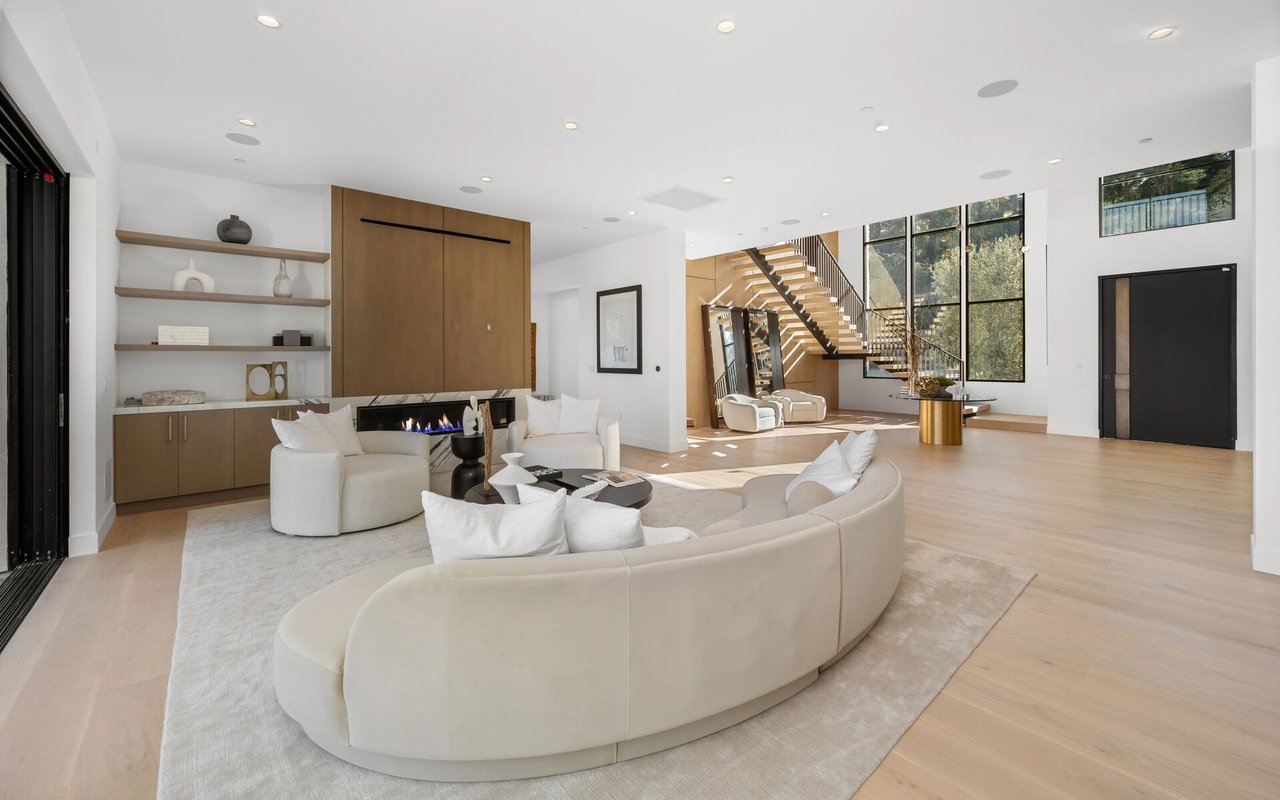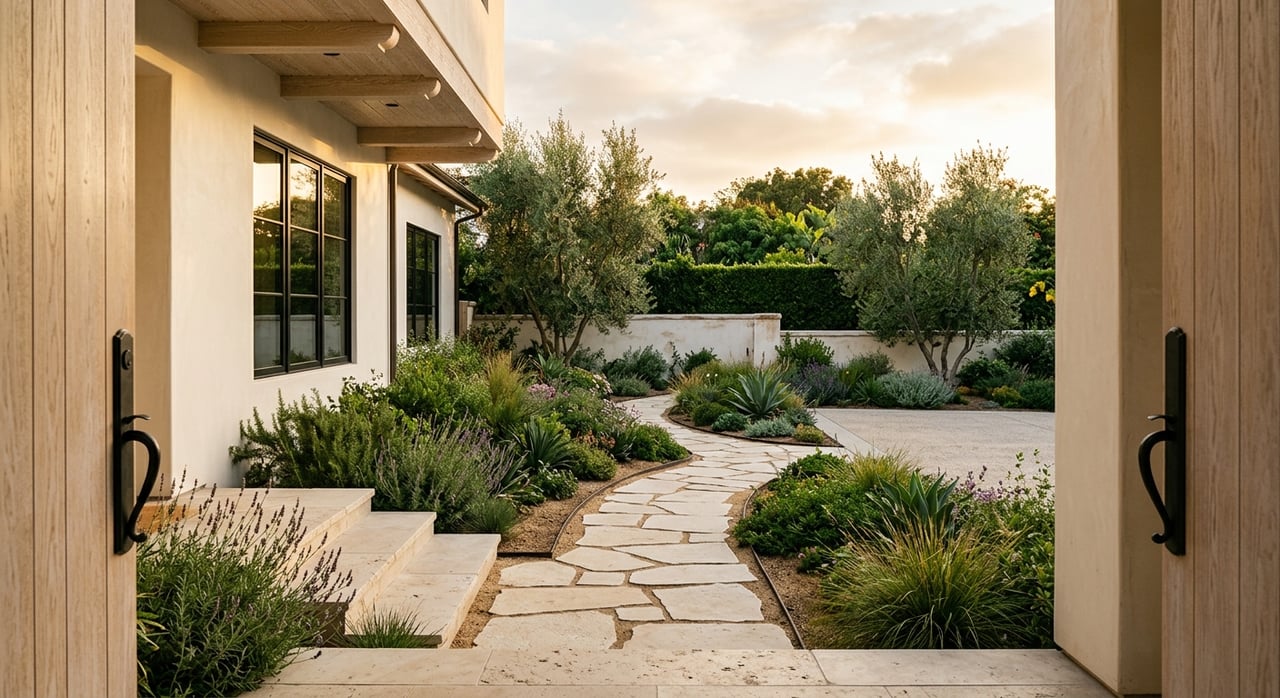
Wondering whether Encino is the right place to level up your home search? If you are looking for more space, a more established neighborhood feel, or a better fit for your next chapter, Encino often lands on the shortlist for good reason. The key is understanding that Encino is not one-size-fits-all, and knowing how its housing, layout, and commute patterns line up with your goals. Let’s dive in.
Why Encino Stands Out
For many move-up buyers, Encino offers a mix that can be hard to find in one place. You get an established part of the San Fernando Valley, a broad range of home styles, and access to both everyday conveniences and major open space.
Encino sits within the Encino-Tarzana Community Plan area. City Planning places it roughly between Oxnard Street and the Metro G Line corridor on the north, the 405 on the east, Mulholland Drive on the south, and Corbin Avenue on the west. That positioning helps explain why Encino appeals to buyers who want a residential setting with practical access to key Valley routes.
Encino Feels Different by Area
One of the biggest mistakes move-up buyers make is thinking of Encino as a single, uniform neighborhood. In reality, City Planning describes it as a collection of subareas with different land patterns and day-to-day character.
North of Ventura Boulevard
North of Ventura Boulevard, you will generally find flatter areas and more mixed-density housing. This part of Encino can feel closer to commercial corridors and daily errands, which may appeal if convenience is high on your list.
You may also see a broader mix of property types here. That can create more variety in both price points and housing formats, especially if you are comparing single-family homes with condos or other attached options.
South of Ventura Boulevard
South of Ventura Boulevard, Encino shifts into the hills and foothill neighborhoods. This is where many move-up buyers focus when they want a larger lot, a more tucked-away setting, or housing that feels more customized and less standardized.
The south side often attracts buyers who are specifically looking for estate-size single-family lots or homes with a stronger sense of separation from the main commercial spine. If privacy, lot size, and a more residential feel matter to you, this part of Encino deserves close attention.
Ventura Corridor Variations
Even along Ventura Boulevard, the experience changes from east to west. City Planning notes that the eastern Ventura corridor near the 405 and Balboa area feels more urban and commercial, while the western part shifts toward a more traditional strip-center retail pattern.
That matters because your day-to-day lifestyle can feel very different depending on where you land. If you want quick access to shops and restaurants, one section may fit better than another. If you prefer a quieter pocket set back from activity, your ideal location may be elsewhere within Encino.
What Kind of Homes Can You Expect?
If your move-up goal is more space and more individuality in the housing stock, Encino has a strong case. Public planning sources do not point to one average lot size for the neighborhood, which is actually a useful reminder that you need to evaluate Encino by subarea rather than by one blanket assumption.
SurveyLA describes many ranch-house neighborhoods as having wide lots, curving streets, mature trees, driveways, and attached garages. That pattern can be especially appealing if you are moving from a smaller property and want a stronger sense of scale and separation.
Established Homes, Not New Construction
Encino is mostly an established housing market rather than a new-construction market. In the latest Encino-Tarzana profile, only 0.6% of housing units were built in 2020 or later, and 4.0% were built between 2010 and 2019.
For you as a buyer, that usually means the search is less about chasing brand-new inventory and more about evaluating location, lot, layout, and condition. If you want turn-key finishes, you may need to be selective. If you value established streets and mature landscaping, Encino may feel especially attractive.
A Mix of Styles
Encino offers more architectural variety than many buyers expect. SurveyLA identifies ranch-style homes as a large part of the postwar housing stock, including contemporary custom ranch homes north of Ventura Boulevard between White Oak Avenue and Balboa Boulevard.
The same survey also points to mid-century modern residences, especially in foothill neighborhoods. In practical terms, you are likely to find a mix of ranch, traditional, contemporary ranch, and some mid-century modern homes rather than one repeating tract-home look.
Is Encino a Good Fit for a Move-Up Buyer?
For many buyers, the answer is yes, but only if your priorities match what Encino does well. This is often a strong option if you are moving up for more indoor and outdoor space, want a neighborhood with established housing, and appreciate having both retail access and recreation nearby.
The area profile reports 34,146 dwelling units, with 59.3% owner occupancy. It also shows a split of 52.0% single-housing units and 47.9% multiple-housing units. That balance helps explain why Encino can work for different stages of a move-up path, from condos and townhomes to larger single-family homes.
Encino May Be Right for You If...
- You want an established neighborhood rather than a heavily new-built one
- You are looking for larger lots in at least some parts of the market
- You value access to Ventura Boulevard amenities
- You want substantial recreation options nearby
- You are comfortable with a home search that requires comparing distinct micro-areas
Encino May Need a Closer Look If...
- You strongly prefer brand-new construction
- You want one consistent neighborhood feel across the entire area
- Your commute needs depend on rail service that does not yet exist here today
- You want a highly simplified home search with one dominant housing type
Commute and Mobility Considerations
Commute patterns are a big part of any move-up decision, especially if you are stretching your budget for a longer-term home. In Encino, road access still plays a central role because of the neighborhood’s relationship to the 405 and the 101/Ventura corridor.
For transit, the Metro G Line is part of the current picture. Metro says the 18-mile bus rapid transit line runs from North Hollywood to Chatsworth, and the corridor includes stops such as Sepulveda and Van Nuys that serve the broader Encino and Sepulveda Basin area.
Current Transit vs Future Transit
Metro also reports that the G Line Improvements Project is under construction and expected to finish in 2027, with existing service continuing during construction. That may be a positive sign if improved transit infrastructure matters to you, but it is still important to evaluate your move based on what exists now.
Looking further ahead, Metro selected a locally preferred alternative in January 2026 for the Sepulveda Transit Corridor, an underground heavy rail line connecting the Valley and the Westside. However, the project remains in planning and environmental review, so it makes sense to treat it as future upside, not current service you can rely on today.
Everyday Livability in Encino
A move-up purchase is about more than square footage. You are also choosing how daily life will feel once the boxes are unpacked, and Encino offers a broad amenity mix that supports that decision.
Ventura Boulevard is the neighborhood’s main commercial spine. City Planning describes specialty shops and restaurants along the corridor, with other stretches defined by more traditional strip-center retail.
Recreation and Open Space
Encino also benefits from major recreational assets. Los Encinos State Historic Park preserves the historic Siutcanga and Rancho El Encino site, including the adobe, stone building, blacksmith shop, spring, and pond.
The Sepulveda Basin Recreation Area adds another layer of livability. SurveyLA describes it as more than 2,000 acres developed on flood-control land, with amenities that include golf courses, baseball fields, and an archery range.
Community Facilities
City recreation resources in and around Encino include the Encino Community Center, Balboa Sports Center, Hjelte Sports Center, and the Sepulveda Basin Recreation Area. For many buyers, that kind of access can be a real advantage when comparing Encino with neighborhoods that offer less public recreation infrastructure.
What the Tradeoffs Look Like
Every move-up decision comes with tradeoffs, and Encino is no exception. The strongest case for Encino is its established housing stock, larger-lot potential in certain subareas, and wide range of lifestyle amenities.
The tradeoff is that much of the inventory is older, and new construction is limited. You may need to weigh charm, lot size, and location against renovation needs, systems updates, or floor plans that do not match newer homes.
Commute planning also requires realism. While there is ongoing public investment in transit and planning updates, today’s mobility picture still leans heavily on road access and the G Line corridor.
The Bottom Line on Encino
Encino can be an excellent next step if your move-up priorities center on space, established homes, mature surroundings, and strong access to recreation and everyday amenities. It tends to work best when you approach it as a neighborhood of distinct pockets rather than a single uniform market.
That is where local guidance matters. The right fit in Encino often comes down to matching your budget, commute, and lifestyle preferences with the right subarea, lot profile, and home style.
If you are considering Encino for your next move, working with an experienced local advisor can help you compare the neighborhood’s different pockets with confidence. Reach out to Denise Marks for thoughtful guidance on finding the right move-up opportunity in Encino and across the San Fernando Valley.
FAQs
Is Encino a good neighborhood for a move-up home purchase?
- Encino can be a strong choice for move-up buyers who want established housing, more space, access to Ventura Boulevard amenities, and major recreation areas nearby.
Does Encino have a lot of new construction homes?
- Not generally. The latest area profile shows only 0.6% of units were built in 2020 or later, so most inventory is older and established.
What home styles are common in Encino?
- Encino includes a mix of ranch, traditional, contemporary ranch, and some mid-century modern homes, with housing character varying by subarea.
How important is Ventura Boulevard when choosing an Encino home?
- Ventura Boulevard is central to Encino’s daily convenience because it serves as the main commercial spine with shops, restaurants, offices, and retail patterns that change from east to west.
What should buyers know about commuting from Encino?
- Road access remains a major part of commuting in Encino, with the 405 and 101 corridors playing key roles, while current transit options include the Metro G Line and future rail plans remain in development.
Are all parts of Encino similar for buyers?
- No. Encino includes flatter areas north of Ventura Boulevard, hilly areas to the south, and different commercial and residential patterns across the neighborhood, so location choice matters a lot.