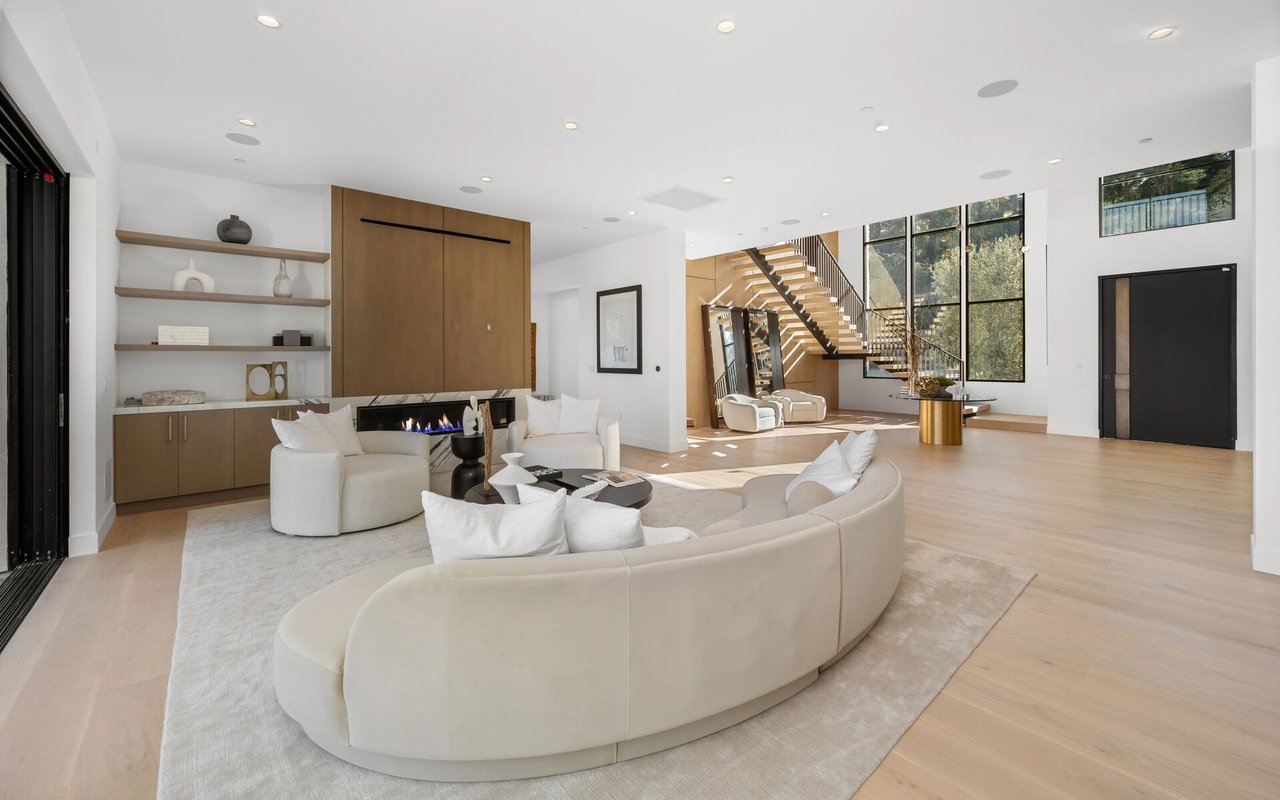
If you are selling an oceanview home in Malibu, great architecture and a coveted address are only part of the story. In a market where luxury buyers move carefully and pricing gaps between nearby streets can be dramatic, your success often comes down to how well your home is positioned, presented, and launched. This playbook will show you what matters most, from pricing and preparation to digital marketing and disclosure, so you can make smarter decisions before your home hits the market. Let’s dive in.
Malibu Pricing Starts Hyper-Local
Malibu is not a one-number market. According to Redfin’s Malibu housing market data, the median sale price in March 2026 was $4.8195 million, homes averaged 175 days on market, and the average sale-to-list ratio was 90.6%. That kind of backdrop gives sellers an important signal: pricing mistakes can sit for months instead of getting corrected by strong bidding activity.
For oceanview homes, citywide averages are only a starting point. Redfin neighborhood data shows major differences between Malibu Road, Point Dume, Malibu Park, and Central Malibu. In practical terms, buyers will care more about your exact street, your view corridor, beach access, lot usability, and the overall experience of the property than they will about a broad Malibu median.
That is why your pricing strategy should be built around truly comparable homes, not aspirational numbers. If your property has a cleaner line to the water, stronger indoor-outdoor flow, or more usable exterior space than nearby listings, those details can affect value. If it lacks recent updates or has more limited utility, that matters too.
Oceanview Features That Deserve the Spotlight
When buyers shop Malibu, they are often buying a lifestyle as much as a structure. Redfin home-feature trends for Malibu show that covered decks, den offices, and lanais rank among the strongest value signals. That gives sellers a clear roadmap for what to highlight in the marketing.
Your listing should emphasize the spaces that make the home feel easy to live in and memorable to visit. For many oceanview properties, that means:
- Terraces and covered decks
- Outdoor entertaining areas
- Seamless indoor-outdoor flow
- Flexible office or bonus rooms
- Main living spaces oriented toward the view
These are not secondary perks. In Malibu, they are often central to how buyers compare one property to another. A home that presents its outdoor zones and view-facing rooms well can feel more compelling online and in person.
Presentation Matters More Than Many Sellers Expect
In a slower luxury market, presentation is not optional. It is part of your sales strategy. NAR’s 2025 staging snapshot found that 83% of buyers’ agents said staging helps buyers visualize a home as a future residence, 29% of sellers’ agents said staging increased the dollar value offered by 1% to 10%, and 49% said staging reduced time on market.
For Malibu sellers, that matters because buyers are not only judging square footage or finishes. They are judging how the home feels when the light comes in, how the main rooms connect to the exterior, and whether the property delivers the coastal experience they expect. Even a strong home can underperform if rooms feel crowded, dark, or disconnected from the view.
The good news is that effective preparation is often practical, not excessive. NAR’s 2023 staging report shows the most commonly recommended steps include decluttering, whole-home cleaning, removing pets during showings, professional photos, minor repairs, and outdoor cleanup. Those tasks are especially important in Malibu, where first impressions are often shaped by the approach, the windows, the decks, and the main entertaining areas.
Stage the Rooms Buyers Notice First
Not every room needs the same level of effort. According to NAR’s 2025 staging data, the living room, primary bedroom, and dining room are the spaces most often staged. For an oceanview listing, these rooms tend to do the heavy lifting because they frame how buyers imagine daily life in the home.
Start by making those spaces feel calm, open, and bright. Keep furnishings scaled appropriately, reduce visual clutter, and avoid anything that competes with the windows or sightlines. If the living room opens to a terrace or patio, make that transition feel natural and inviting.
You should also treat exterior presentation as part of staging. Clean glass, cleared decks, fresh seating arrangements, and tidy landscaping can make a meaningful difference. The goal is simple: when buyers step inside, their eyes should move to the view and the lifestyle, not to maintenance items or distractions.
Build a Media Package for Digital Buyers
Today’s buyer usually sees your home online before deciding whether it is worth a private showing. Zillow’s 2025 prospective buyer research found that 33% of buyers ranked floor plans as the most important listing feature, 26% ranked high-resolution photos first, and 20% ranked 3D or virtual tours first. That is a strong case for investing in a complete media package.
For a Malibu oceanview home, strong visuals are not just helpful. They are part of the qualification process. Buyers want to understand the layout, the scale of the rooms, and how the home captures the setting before they commit time to a tour.
A smart digital launch should include:
- High-resolution professional photography
- A clear and accurate floor plan
- A 3D or virtual tour
- Listing copy that describes view orientation and lifestyle benefits with precision
- A coordinated rollout across the MLS, the agent website, email, and social channels
The launch window matters too. NAR’s online visibility guidance notes that listing visibility starts at launch and that the first few days online carry extra weight. In other words, the headline image, first impression, and early promotion should be treated as part of your pricing and positioning plan.
Reach Buyers Where They Already Are
Buyers are researching early and moving online first. Zillow reports that 68% of prospective buyers had viewed homes on a real estate website, 39% had attended an open house or private tour, and 31% had made an offer. The same report found that 75% intended to use the home as a primary residence, while 8% were shopping for a vacation or secondary property.
That mix matters in Malibu. Your marketing should speak to both the daily livability of the property and the emotional draw of the setting. Buyers may be looking for a full-time residence, a coastal retreat, or a flexible long-term hold, so your campaign should make the home feel credible in more than one use case.
Social visibility can also support trust. Zillow found that 41% of prospective buyers said an agent’s social media presence made them more likely to hire that agent. For sellers, that supports choosing a marketing approach that goes beyond basic MLS placement and includes strong digital promotion from day one.
Pre-Listing Repairs Need a Permit Check
Before you make upgrades, repairs, or system changes, it is wise to confirm what requires review or approval. The City of Malibu notes that the entire city lies in the California Coastal Zone and that development is governed by Malibu’s Local Coastal Program. The same city page also states that a Coastal Development Permit is required for a new onsite wastewater treatment system.
That does not mean every pre-sale improvement becomes a major project. It does mean sellers should verify permit status before taking on work that could complicate the transaction later. Unclear records, unfinished permitting, or undocumented system changes can slow escrow and raise avoidable questions from buyers.
If your marketing plan includes potential rental use, compliance becomes even more important. Malibu requires a short-term rental permit to advertise or operate a residential property as a short-term rental, and permit holders must also meet OWTS operating permit or compliance agreement requirements. If that angle will be part of your listing story, it should be verified before it appears in marketing materials.
Disclosures and Insurance Shape Buyer Confidence
Malibu sellers also need to prepare for the disclosure side of the transaction. California’s RE 6 disclosure materials require sellers to disclose conditions such as special flood hazard areas, dam inundation areas, very high fire hazard severity zones, wildland areas, earthquake fault zones, and seismic hazard zones. These items can affect development, insurance, and buyer decision-making.
Wildfire-related disclosures have also evolved. State materials on AB-38 updates describe that, on or after July 1, 2025, certain disclosure notices for homes in high or very high fire hazard severity zones should also include the State Fire Marshal’s low-cost retrofit list. Examples include Class A roofs, ember-resistant vents, tempered-glass windows, and defensible-space cleanup.
Insurance is another practical topic buyers may raise early. The California Department of Insurance says insurers using wildfire catastrophe models or reinsurance costs must increase coverage in wildfire-prone regions, which underscores how wildfire exposure can still influence underwriting. If you have documentation for retrofits, permits, or insurance history, having it organized can help reduce friction during negotiations.
Why Strategy Beats Passive Listing Exposure
The strongest Malibu listings usually do not succeed by simply going live and waiting. NAR’s 2025 seller report found that sellers most value help marketing the home, pricing it competitively, and selling within a specific timeframe. That lines up closely with the realities of Malibu’s current market.
This is especially relevant when you consider how few sellers go it alone successfully. The same NAR report says 91% of sellers used a real estate agent, while only 5% of homes sold as FSBO. In a market with longer timelines, high-value homes, and a more complex disclosure environment, strategic guidance can make a real difference.
A strong seller playbook is usually built around a few basics done very well:
- Price the home based on immediate, hyper-local comps.
- Prepare the property around views, outdoor spaces, and key interior rooms.
- Launch with polished photography, floor plans, and digital assets.
- Verify permits, systems, and any rental-related claims before marketing.
- Be ready for disclosure and insurance questions early.
If you are preparing to sell an oceanview home in Malibu, the goal is not just to list it. The goal is to present it with clarity, credibility, and enough market precision to attract serious buyers early. When you want a thoughtful, marketing-first strategy backed by hands-on guidance, Denise Marks can help you position your home for a stronger result.
FAQs
What should a Malibu oceanview home listing emphasize most?
- Ocean views, terraces or covered decks, indoor-outdoor flow, flexible office or bonus space, and the rooms that best capture the setting are some of the most important features to highlight.
How should you price an oceanview home in Malibu?
- You should price it using hyper-local comparable sales that reflect your exact area, view quality, access, lot utility, and condition rather than relying on Malibu-wide averages alone.
Is staging worth it for a Malibu seller?
- Yes. NAR data shows staging can help buyers visualize the home, may improve offer value, and can reduce time on market.
What media should a Malibu listing include?
- A strong listing should include professional high-resolution photos, an accurate floor plan, and a 3D or virtual tour because buyers often rank those among the most important online features.
Can you market a Malibu home as a short-term rental opportunity?
- Only if the property meets Malibu’s permit requirements, including short-term rental rules and applicable OWTS compliance requirements.
What disclosures matter most when selling a home in Malibu?
- Sellers should be prepared to disclose applicable flood, fire, wildland, earthquake, and seismic hazard information, along with any relevant wildfire retrofit details required under current California rules.