If you are getting ready to sell in Beverly Hills, great presentation is not a nice extra. It is part of the strategy. In a market where homes can sit longer and buyers often have choices, the way your property looks, feels, and shows online can shape both interest and negotiating power. This guide walks you through what to prioritize before you list so you can prepare with more confidence and fewer surprises. Let’s dive in.
Why prep matters in Beverly Hills
Beverly Hills is a high-value market, but it is not a market where every well-located home sells instantly. Recent market snapshots show a wide range in pricing metrics, along with longer selling timelines and signs that many homes need strong positioning to stand out.
Realtor.com reports a median listing price of $6.28 million, 61 median days on market, and 376 active listings. Redfin’s March 2026 data shows a $9.0 million median sale price, 117 median days on market, and a market it labels as not very competitive, with homes averaging about 5% below list price. While the exact numbers differ by platform, the takeaway is consistent: condition, pricing, and presentation matter.
Buyer expectations also vary across Beverly Hills. Neighborhood home values span from roughly $1.18 million in Tri-West to more than $10 million in areas like The Flats and Beverly Hills Gateway. That means a condo, a move-up home, and a trophy estate should not all be prepared the same way.
Start with a realistic prep plan
Before you spend money, step back and match your prep to your property’s price tier, condition, and likely buyer expectations. In Beverly Hills, the smartest approach is usually not the biggest renovation. It is a targeted plan that improves how the home lives in person and how it appears online.
National staging data supports that approach. The National Association of Realtors reported a median staging-service spend of $600 nationally, and many sellers’ agents said staged homes saw offer increases of 1% to 5%, with some reporting gains of 6% to 10%. In Beverly Hills, budgets often scale up with the home, but the principle stays the same: invest first in visible, high-impact improvements.
A smaller condo or mid-market property may need editing, light cosmetic refreshes, and selective staging. A luxury home or estate may call for more curated styling, sharper landscaping, and elevated media production. The goal is not to overdo it. The goal is to align the presentation with the value of the asset.
Declutter and depersonalize first
If you do nothing else at the beginning, do this step well. Zillow recommends clearing closets and storage, removing family photos and pet traces, and walking through the home from a buyer’s point of view.
That matters because buyers want space they can imagine living in. When rooms feel crowded or deeply personal, it becomes harder for them to focus on the home itself. Clean surfaces, simplified shelves, and organized storage can make the entire property feel larger and better cared for.
This does not mean stripping out all warmth or character. It means removing distractions so your home feels open, calm, and easy to understand. In Beverly Hills, where presentation standards can be high, that first impression carries real weight.
Prioritize the rooms buyers notice most
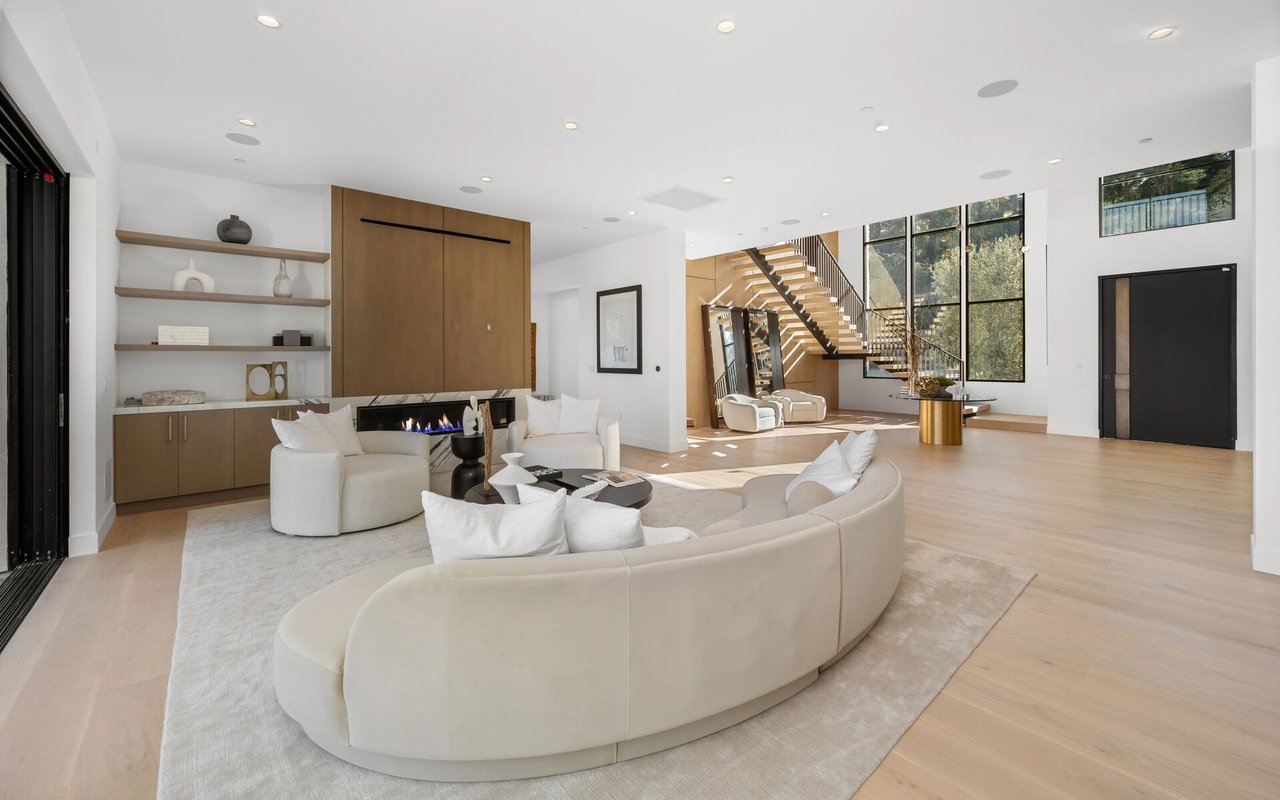
Not every room deserves the same budget or effort. According to the National Association of Realtors’ 2023 staging survey, the living room ranks as the most important room to stage, followed by the primary bedroom and then the kitchen.
That gives you a useful roadmap. If your budget is limited, focus on the spaces that do the most work in buyers’ minds. A bright, balanced living room can set the tone for the whole showing. A polished primary bedroom can make the home feel restful and complete. A clean, inviting kitchen can reinforce value and function.
If those rooms feel unfinished, cluttered, or dated, buyers may assume the rest of the home has similar issues. On the other hand, when these core spaces feel edited and move-in ready, the home often shows more strongly overall.
Use refreshes that appeal broadly
When sellers prepare a home, it can be tempting to choose bold finishes or remodel for personal taste. Zillow advises against over-improving with choices that appeal to only one taste profile.
A better strategy is broad appeal. Neutral wall colors, streamlined decor, strong lighting, and clean flooring choices help more buyers connect with the home. The National Association of Realtors also recommends letting natural light shine, opening up the space, replacing worn carpeting with wood, vinyl, or tile, and adding storage where needed.
In practical terms, your refresh list might include:
- Touch-up paint in neutral tones
- Updated light bulbs and fixtures where needed
- Repaired drywall or trim issues
- Deep cleaning of windows and glass
- Flooring updates if carpet looks worn
- Better organization in closets, pantry, or garage
These changes are usually more effective than a highly specific remodel right before listing.
Handle repairs before buyers find them
Visible defects can pull attention away from your home’s strengths. A dripping faucet, sticky door, cracked tile, or damaged baseboard may seem minor, but buyers often read small issues as signs of deferred maintenance.
A practical prep sequence is to service obvious defects first. That means addressing the items a buyer will notice quickly during a showing or inspection. Once those are handled, the rest of your presentation work has a stronger foundation.
For many sellers, a pre-listing inspection is also worth considering. Realtor.com notes that it can help identify problems before listing, and Redfin says it may help sellers get ahead of repairs, price more strategically, and reduce surprises during negotiations.
A pre-listing inspection is optional, not required. Still, in a market where buyers may negotiate carefully, transparency can help you make better decisions before the home hits the market. Issues that affect insurability or closing should move to the top of your list.
Do not overlook California disclosures
A beautifully staged home still needs proper disclosures. In California, presentation does not replace legal obligations around the property’s condition.
The California Department of Real Estate states that the Transfer Disclosure Statement is a disclosure of condition, not a warranty, and not a substitute for inspections or warranties the parties may want. California rules also require Natural Hazard Disclosure when applicable, including for properties in mapped seismic hazard zones.
If your home was built before 1978, lead-based paint disclosure rules also apply. The California Department of Public Health says sellers must disclose known lead hazards, provide the EPA pamphlet, and give buyers a 10-day opportunity to inspect for lead unless the parties agree otherwise.
The takeaway is simple: prep the home physically, but prepare the paperwork carefully too. A smooth sale usually depends on both.
Boost curb appeal and entry presentation
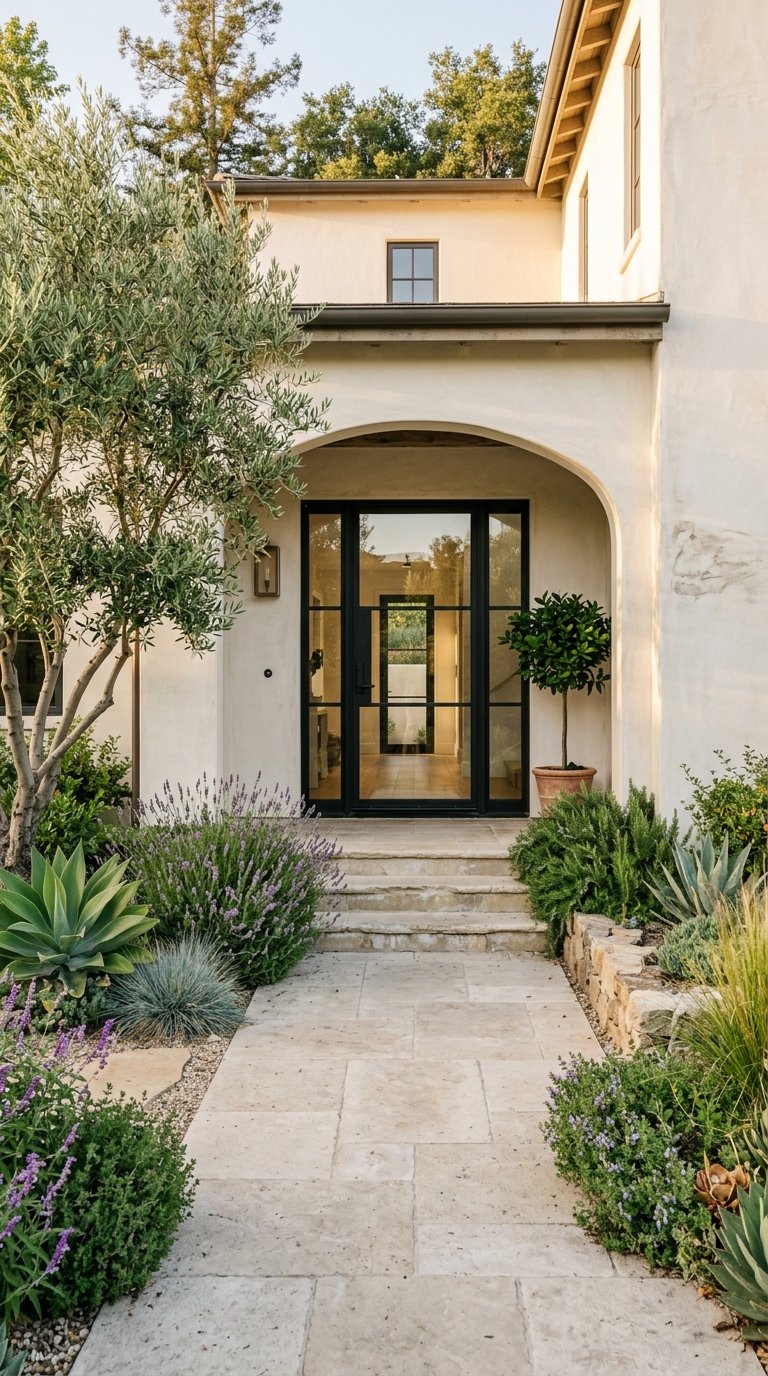
Online marketing may bring buyers in, but the exterior sets the tone the moment they arrive. Landscaping, walkways, lighting, and the front entry all shape how the home feels before the door even opens.
For Beverly Hills sellers, curb appeal does not always mean a full redesign. It can mean trimmed greenery, refreshed planters, power washing, a cleaner driveway, repaired gates or hardware, and a tidy, welcoming entry sequence. If your property has outdoor living areas, those should feel intentional as well.
This is especially important for higher-end homes. At luxury price points, buyers often expect a polished arrival experience that matches the home’s positioning. If the exterior feels tired, it can lower perceived value before buyers see the best interior spaces.
Treat listing media as essential
Most buyers will meet your home online first. Zillow says 95% of buyers search online, 27% of prospective buyers ranked high-resolution photos as the most important listing feature, and 70% said a virtual tour helps them understand the space better than photos alone.
That means professional listing media is not optional in a market like Beverly Hills. Photos need to be sharp, well-lit, and thoughtfully composed. Video and virtual tours can help buyers understand flow, scale, and lifestyle in ways still images cannot.
The National Association of Realtors also found that buyers’ agents rated photos, physical staging, videos, and virtual tours as much or more important for listings. In other words, your prep work and your marketing work are closely connected. If you invest in one, you need the other.
A smart Beverly Hills prep sequence
If you want a clear way to organize the process, this is a practical sequence based on the research:
- Service obvious defects and maintenance items
- Deep clean, declutter, and depersonalize
- Refresh paint, lighting, and worn finishes
- Improve landscaping and entry presentation
- Stage the living room, primary bedroom, and kitchen
- Launch with professional photography, video, and a virtual tour
This kind of order helps you avoid doing things twice. It also makes it easier to budget based on what will have the biggest impact first.
Match the prep to your property
One of the biggest mistakes sellers make is preparing too little or spending in the wrong places. In Beverly Hills, the better approach is right-sizing the plan.
If you are selling a condo or smaller home, a clean, bright, edited presentation may be enough to compete well. If you are selling a larger luxury property, buyers may expect more polish across staging, grounds, and digital presentation. The right standard depends on what you are selling and who you are trying to reach.
That is where experience matters. A tailored strategy can help you decide where to invest, what to skip, and how to bring the home to market in a way that supports both price and momentum.
When you are ready to prepare your Beverly Hills home for sale, working with a team that understands presentation, pricing, and marketing can make the process far more strategic. To get expert guidance and a tailored plan for your property, request your free home valuation with Denise Marks.
FAQs
What should sellers do first when preparing a Beverly Hills home for sale?
- Start with obvious repairs, then deep cleaning, decluttering, and depersonalizing so buyers can focus on the home instead of distractions.
Which rooms matter most when staging a Beverly Hills home?
- The living room, primary bedroom, and kitchen are the top rooms to prioritize based on the National Association of Realtors’ staging survey.
Is a pre-listing inspection required for a Beverly Hills home sale?
- No. A pre-listing inspection is optional, but it can help you identify issues early, plan repairs, and reduce surprises during negotiations.
Do Beverly Hills sellers still need disclosures if the home is fully updated?
- Yes. California sellers still need to comply with required disclosures, including the Transfer Disclosure Statement and Natural Hazard Disclosure when applicable.
How important are professional photos and virtual tours for a Beverly Hills listing?
- They are very important because most buyers search online first, and strong visuals can help buyers better understand the home and decide to visit.
Should every Beverly Hills home get the same level of pre-sale preparation?
- No. Prep should match the home’s price point, condition, and likely buyer expectations, with more extensive polish often needed for luxury and estate properties.