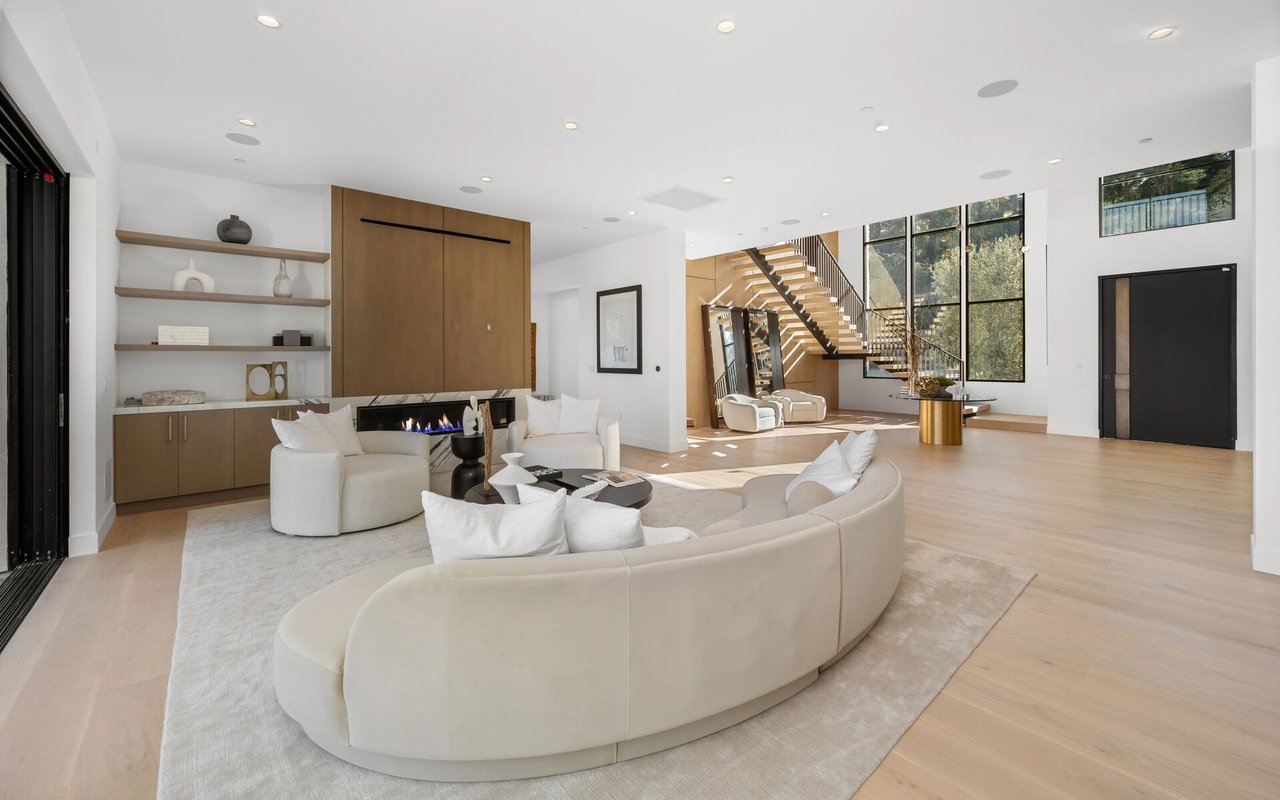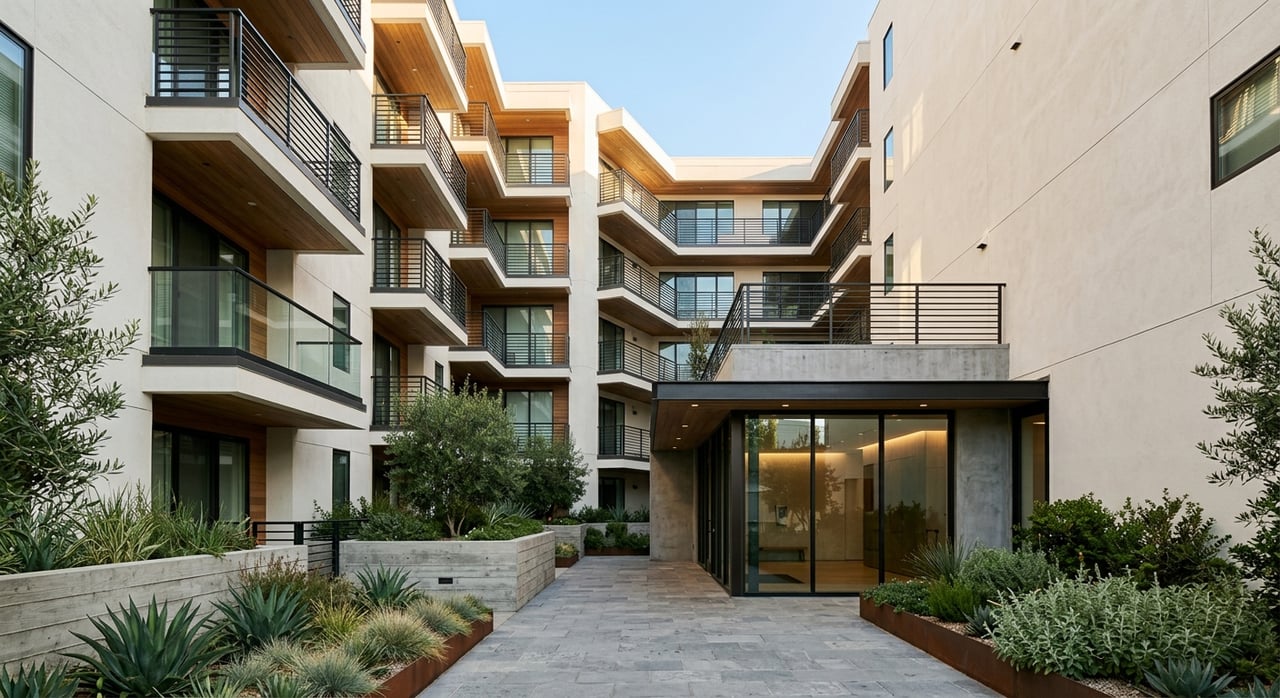
Trying to decide between a condo and a house in Santa Monica? You are not alone. In this market, the better choice often has less to do with headline price and more to do with how you want to live, what monthly costs you can comfortably carry, and how much responsibility you want to take on as an owner. If you are weighing both options, this guide will help you compare the real trade-offs so you can make a confident decision. Let’s dive in.
Santa Monica market reality
Santa Monica is a high-cost market, so your decision usually starts with budget. According to Redfin’s Santa Monica housing market tracker, the citywide median sale price was $1.815 million in February 2026, with homes averaging about 50 days on market. Zillow also showed an average Santa Monica home value of $1.60 million as of late 2025.
That citywide number can be misleading if you are comparing condos to detached homes. A January 2026 single-family micro-market report showed a Santa Monica median single-family sales price of $2.525 million, which puts many houses in a much higher price tier. At the same time, recent condo and townhome examples show a wide range, from under $1 million to well above $2 million, and even some overlap with detached-home pricing.
That overlap is why sticker price alone is not enough. A condo with HOA dues may cost more each month than you expect, while a house with no HOA may still require a bigger repair and maintenance budget. In Santa Monica, your best decision usually comes from comparing total monthly cost, lifestyle fit, and ownership structure together.
Condo ownership basics
A condo is not just a building type. According to the California Department of Real Estate buyer guide, condo ownership means you own your individual unit, share ownership of common areas, and automatically belong to a homeowners association.
That matters because the HOA is responsible for shared property and facilities, and owners pay regular assessments to fund operations and reserves. The same DRE guidance explains that special assessments may also be charged for major repairs or unexpected costs. Before you buy, you should review HOA dues, the public report, and any special assessment history or risk.
It is also worth knowing that some homes that look more like townhomes or even detached properties can still be part of a common-interest development. The California DRE explanation of common-interest developments notes that these communities can include detached houses, townhomes, and apartment-style buildings. In other words, the legal structure matters just as much as the floor plan.
House ownership basics
Buying a single-family home usually gives you more direct control over the property. You do not have the same shared governance structure that comes with most condo ownership, and you generally have more say over how the home and land are used, within local rules and regulations.
That freedom also comes with more responsibility. The California DRE homebuying guidance reminds buyers to budget for taxes, insurance, repairs, upgrades, and ongoing maintenance, not just the mortgage payment. With a house, the maintenance picture may feel more straightforward, but the cost and coordination usually fall directly on you.
For many buyers, that is a worthwhile trade. If you want more privacy, outdoor space, or long-term flexibility, a house can be a better fit. If you prefer less direct maintenance and a more lock-and-leave setup, a condo may feel easier to manage.
Santa Monica lifestyle differences
Santa Monica’s housing patterns can help you narrow your search. The city’s housing element documents describe North of Montana and the Northeast as mostly lower-density areas with one- to two-story single-family housing, while Wilshire Montana includes multi-family buildings with some single-family homes. Ocean Park is described as a mix of low- to mid-rise multi-family buildings with interspersed single-family uses, and Downtown has a diverse mix of retail, office, residential, and transit-oriented development.
What does that mean for you? If you want a more walkable, mixed-use setting with easier access to transit and day-to-day convenience, you may find yourself focusing on condos and townhomes in Downtown, Ocean Park, or other denser areas. If you want quieter residential streets, larger lots, and more separation from neighbors, you may lean toward Santa Monica’s lower-density single-family areas.
This is not a rule, just a practical pattern based on the city’s land-use framework and recent development trends. The city’s housing strategy also highlights the focus on housing near transit, jobs, parks, schools, and services, which helps explain why condos and denser housing types often cluster in more central locations.
Monthly cost matters most
In Santa Monica, monthly cost often tells the real story. Two properties with similar purchase prices can feel very different once you include HOA dues, taxes, insurance, and likely upkeep.
For a condo, your payment may include:
- Mortgage principal and interest
- Property taxes
- Homeowners insurance
- HOA dues
- Possible special assessments
For a house, your payment may include:
- Mortgage principal and interest
- Property taxes
- Homeowners insurance
- Landscaping or exterior upkeep
- Repair reserves for items like the roof, paint, plumbing, or systems
This side-by-side view can help:
| Property type | Common budget advantages | Common budget risks |
|---|---|---|
| Condo or townhome | Lower direct maintenance burden, possible lower entry price | HOA dues, special assessments, less control over shared expenses |
| Single-family house | No shared HOA in many cases, more direct control over spending | Higher purchase price, larger repair exposure, more ongoing upkeep |
A detached home recently listed in 90405 at about $1.66 million shows why the comparison is not always simple. Some condos can approach that level once you add HOA dues, while some houses may stretch the budget upfront but avoid monthly association fees. The right comparison is always the full carrying cost.
Maintenance and control trade-offs
One of the biggest differences between condos and houses is how much control you want over the property. With a condo, the HOA typically handles common-area maintenance and major shared systems. That can save you time and reduce the number of day-to-day tasks you manage personally.
The trade-off is less independence. You are sharing ownership of common areas, paying into a collective budget, and agreeing to HOA rules. That can work well if you value convenience and predictability, but it can feel limiting if you want total autonomy.
With a house, you are usually in charge of the full maintenance plan. That means more decision-making, but also more freedom. If you like having direct control over repairs, improvements, and how the property is maintained, a house may line up better with your priorities.
Resale questions to ask
Resale potential matters, but it should be viewed through the lens of each property type. For condos, the condition and financial health of the HOA can affect value just as much as the unit itself.
The DRE’s reserve-study guidance explains that reserve studies help buyers and lenders understand how an association is planning for future replacement of major components. Good reserve planning can help protect property values and reduce the chance of deferred maintenance becoming a larger issue later.
For houses, resale is often shaped more by land value, lot utility, floor plan, condition, and the relative scarcity of detached homes in lower-density parts of Santa Monica. Since the city describes areas like North of Montana and the Northeast as primarily single-family in character, it helps explain why detached homes can carry a meaningful premium tied to privacy and limited supply.
Questions to ask before you buy
If you are deciding between a condo and a house in Santa Monica, bring these questions to your agent and lender:
- What is the total monthly payment for each option?
- If it is a condo, what do the HOA dues cover?
- Has the HOA increased dues regularly?
- Is there a current reserve study?
- Are any major components underfunded?
- Are there pending special assessments, litigation, or major repairs?
- If it is a house, what near-term costs should you expect for roof, paint, plumbing, or landscaping?
- Which Santa Monica areas best match your priorities for commute, walkability, parking, privacy, and daily routine?
- How important is long-term lifestyle fit compared with short-term resale flexibility?
These answers often make the decision clearer. What looks like the better deal at first glance may not feel like the better fit after you review the full picture.
Which purchase fits you best?
A condo or townhome may be the better choice if you want a more central Santa Monica location, prefer less direct maintenance, and feel comfortable with HOA governance and shared ownership. This path can work well if convenience and a more streamlined ownership experience matter most to you.
A single-family house may be the better choice if you want more privacy, outdoor space, and direct control over the property, and you are ready to budget for the full cost of upkeep. In Santa Monica, that often means buying into a higher price tier, but it can offer a very different living experience.
In the end, this decision is personal. The right choice is usually the one that matches your monthly budget, your comfort level with maintenance and shared ownership, and the kind of neighborhood experience you want every day. If you want help weighing Santa Monica options with a practical, numbers-first approach, connect with Denise Marks for trusted guidance tailored to your goals.
FAQs
What is the main difference between buying a condo versus a house in Santa Monica?
- A condo usually involves shared ownership of common areas and HOA dues, while a house usually gives you more direct control but also more direct maintenance responsibility.
How do HOA dues affect a Santa Monica condo purchase?
- HOA dues increase your monthly carrying cost and may cover building operations, maintenance, and reserves, but you should also review the risk of special assessments.
Are Santa Monica houses always more expensive than condos?
- Not always, but detached houses generally sit in a higher price tier, even though some condo and townhouse prices can overlap with lower-priced single-family homes.
Which Santa Monica areas tend to have more condo options?
- Based on city planning documents, denser areas such as Downtown, Ocean Park, and some mixed-use corridors tend to have more condo and multi-family housing options.
What documents should you review before buying a Santa Monica condo?
- You should review HOA dues, the public report, reserve study, budget, CC&Rs, and any information about pending special assessments or major repairs.
When is a Santa Monica house the better fit for a buyer?
- A house may be the better fit if you want more privacy, land, and control over the property and are prepared for the ongoing cost of repairs and maintenance.