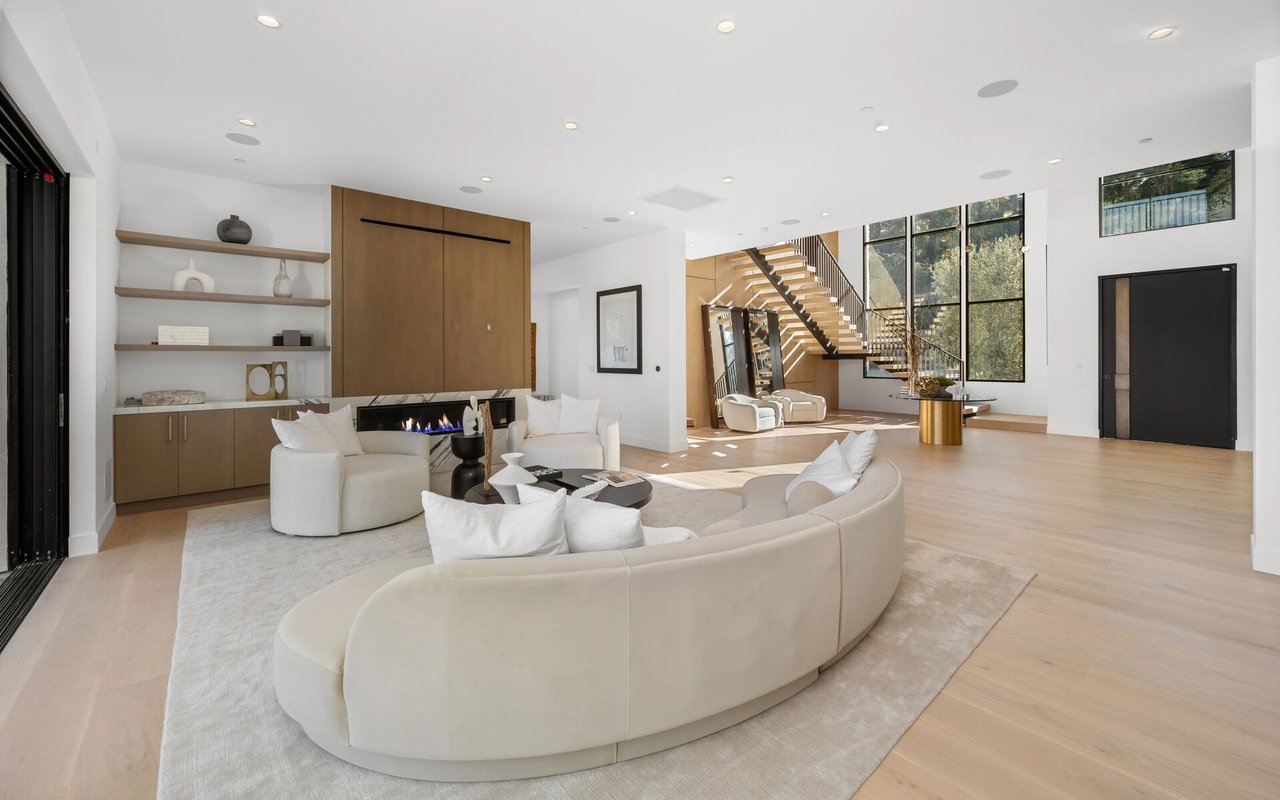
Pricing a Calabasas home is not one-size-fits-all. In a market where a gated view home can sit steps away from a condo cluster, the right number can mean the difference between multiple offers and weeks on the market. You want clarity, speed, and a strong net. This guide gives you a data-first plan tailored to Calabasas so you can price with confidence, defend your value, and sell on your terms. Let’s dive in.
Calabasas pricing snapshot for 2026
Calabasas remains a high-value, segmented market. Recent vendor snapshots show different figures because they measure different things and use different time windows. For context:
- Redfin reports a median sale price near $1,370,000 in January 2026, with a year-over-year dip, a modest uptick in sales, and shorter days on market.
- Zillow’s ZHVI shows a typical home value around $1,650,099 through January 31, 2026, with a small 1–2% change year over year.
- Realtor.com lists a median asking price around $2,297,000, a sale-to-list ratio near 97%, and a median days on market of about 83 days in the latest window.
These are not contradictions. One is sold-price median, one is a smoothed index, and one reflects asking prices. In Calabasas, your submarket matters more than any citywide average.
Rates are a key driver. In early February 2026, the average 30-year fixed hovered around 6.09–6.11%, down from recent highs yet well above the 3–4% era. That rate backdrop shapes how aggressively buyers write and what they will stretch for. You can see the latest context in this coverage of rates edging down slightly in February 2026 (mortgage rate update). Many economists expect a warmer 2026 with more sales and only modest price gains. In short, pricing precision and presentation remain critical.
Price by neighborhood, not by city
Calabasas is a patchwork of micro-markets. The Oaks, a luxury gated enclave, often sees multi-million price points and longer market times due to custom features and larger lots. Areas like Calabasas Park and Greater Mulwood trend lower than The Oaks but still above county medians. Hillside views, lot size, privacy, community amenities, and recent remodels can swing value by hundreds of thousands of dollars. A neighborhood CMA is essential.
Build a defensible list price
A strong pricing strategy is both analytical and practical. Here is a step-by-step approach you can rely on.
1) Build a tight CMA
Pull 3–6 recent closed sales that are truly comparable: same neighborhood or immediate area, similar square footage and lot size, and closed within the last 3–6 months. Then add 3–5 active and pending listings for your real-time competition and 1–2 expired or withdrawn listings as “what the market rejected.” Note why each comp made the cut and how timing affects relevance.
2) Adjust for what matters in Calabasas
Normalize by price per square foot, then make documented adjustments for high-impact differences. In Calabasas, those often include:
- Gated vs. non-gated community and security features
- View, hillside setting, exposure, and usable yard
- Lot size and privacy buffers
- Pool, spa, outdoor kitchen, and entertainment areas
- ADU or permitted guest suite potential
- Recent high-end remodels, energy upgrades, and parking
Keep your adjustment logic transparent. This clarity helps buyers understand your price and gives an appraiser a roadmap.
3) Use a three-anchor “bracket”
Set three pricing anchors based on your CMA and your timeline:
- Quick-sale anchor: Priced to attract broad interest fast. Expect strong traffic in week one and the best chance at multiple offers.
- Market anchor: Your best estimate of fair value to sell in line with average days on market.
- Aspirational anchor: A test-the-market price for homes with rare features. Expect a longer timeline and a higher chance of a reduction.
Tie each anchor to comps and engagement goals. For example, define how many showings and online inquiries you want in the first 7–14 days to validate your pick.
Anticipate appraisals and protect your deal
Appraisals can derail financed offers if the valuation comes in below contract. You can reduce that risk by preparing early:
- Provide the appraiser with your full CMA, photos, and the most recent comparable closings. Practical tips for supporting value are outlined here (appraisal preparation basics).
- Share permits and invoices for upgrades. Clear documentation supports higher adjustments.
- Consider a pre-list appraisal or a broker price opinion for unique or high-end homes to align expectations.
Appraisals are also evolving. Lenders increasingly use data-collection alternatives in low-risk cases, so well-documented facts like floor plans, clear photos, and permit records help smooth the process (how modern property data collection works).
Win the first 14 days
Most meaningful buyer activity happens early. Treat the launch as your golden window.
- If traffic and showings are high but offers lag, you may be slightly over market. Small price or presentation tweaks can convert interest into action.
- If online views and showings are weak, adjust faster. Revisit price, photos, and staging within the first 7–14 days rather than waiting weeks.
Have written trigger points before you go live. For example: “If showings are below X in 10 days or online engagement is Y% under target, we adjust price by a defined step.” Clear metrics help you act decisively.
Presentation that moves price
In a premium market, presentation is a pricing tool. The National Association of Realtors reports that about 29% of agents saw staging add 1–10% to offer prices and nearly half of seller agents saw reduced time on market when staging was used (NAR staging findings). That is real money.
- Stage high-impact rooms first: living spaces, the kitchen, and the primary suite. Edit closets and simplify surfaces.
- Use professional photography, a 3D tour, and a short listing video. Twilight exteriors and drone shots add depth for view or acreage homes.
- Consider virtual staging for vacant rooms. It is fast and affordable, but always disclose it (what to know about virtual staging).
A polished launch package helps your home command attention in week one, which supports your price.
Smart, targeted pre-list investments
Not all upgrades pay off at resale. Use regional Cost vs. Value data for Los Angeles to guide your plan. Recent data shows items like garage door and entry door replacements often recoup a high share, while midrange kitchen or bath remodels have mixed returns (LA Cost vs. Value snapshot).
A practical rule: if your home is already sale-ready for your target price band, list sooner with strong presentation rather than delay for a major remodel. Use the top of your CMA range as a ceiling to decide whether a bigger project pencils out.
Timing your sale in Calabasas
Seasonality in Southern California is moderate, but early spring often brings more buyers. Many markets see April and May listings draw stronger traffic, while summer and late-year periods can vary with school calendars and relocations. Balance that backdrop with your personal timing. A well-prepared home priced to the right bracket can sell well any month of the year.
Seller checklist for Calabasas
Use this quick list to organize your pricing and launch.
- Get a fresh CMA focused on your exact neighborhood, with closed, pending, and active comps updated within 7 days of listing.
- Order a pre-list home inspection to uncover issues early. Decide what to repair, disclose, or price for (seller inspection benefits).
- Choose your media package: pro photos, 3D tour, short video, and drone for hillside or view properties.
- Stage strategically. If using virtual staging, disclose it. Prioritize rooms that photograph and show best.
- Set your three pricing anchors and write trigger points for adjustments in the first two weeks.
- Prepare an appraisal packet: CMA with sold and pending comps, permits and receipts for upgrades, floor plan, and high-quality photos.
Put it all together
Smart pricing in Calabasas means local comps, transparent adjustments, sharp presentation, and a clear plan for the first two weeks. When you combine those with a strong negotiation strategy and an appraisal-ready file, you protect your timeline and your net. If you want a custom, neighborhood-specific pricing plan and a marketing-first launch that meets the moment, connect with Denise Marks to get started.
FAQs
How should I price my Calabasas home in 2026 when Redfin, Zillow, and listing sites show different numbers?
- Use a neighborhood CMA built on recent closed comps, then bracket your price with quick-sale, market, and aspirational anchors; citywide stats are context, not your price tag.
What is the typical days on market for Calabasas right now?
- Recent reporting shows around 83 median days on market in some snapshots, but your DOM will depend on submarket, condition, and how well you price and present in the first 7–14 days.
Should I remodel before listing my Calabasas house?
- Only if local Cost vs. Value data and your CMA suggest a realistic payback before launch; prioritize high-impact, lower-cost updates like paint, landscape, lighting, and repairs.
How do I avoid appraisal issues during escrow on a financed offer?
- Share a full CMA, permits, and receipts with the appraiser, consider a pre-list appraisal for unique homes, and be prepared with negotiation options if value comes in short.
When should I reduce price if my Calabasas home is not getting offers?
- If showings and online engagement miss your targets in the first 7–14 days and nearby comps support a lower level, adjust early in a measured step rather than waiting weeks.