If you are house hunting in Studio City, one thing becomes clear fast: there is no single “Studio City look.” On one block, you might see a low-slung ranch, while the next street features a glassy mid-century home or a newer infill build. That mix can feel exciting, but it can also make it harder to know what you are really looking at and what fits your goals. This guide will help you spot the most common home styles in Studio City, understand how the area’s hills and history shaped them, and tour homes with a more confident eye. Let’s dive in.
Why Studio City Has So Much Variety
Studio City grew through multiple development eras rather than one single building boom. According to Los Angeles Planning community materials, parts of the area trace back to early subdivisions in the 1920s, including the Agnes Avenue district, and later growth added many more housing types over time.
That layered history matters when you tour homes today. The same planning materials describe Studio City as a collection of distinct neighborhoods where hills, slopes, and views shape the built form. In practical terms, that means you may see bungalows, ranch homes, mid-century houses, and newer construction all within the same broader community.
Ranch Homes in Studio City
Ranch homes are an important part of Studio City’s residential character. A Los Angeles City Planning document notes that ranch homes emerged in Los Angeles in the 1930s and became especially common after World War II.
How to Spot a Ranch Home
In general, ranch homes are easy to recognize once you know the basic cues. City planning guidance describes them as typically one story, rectangular in plan, with broad roofs, overhanging eaves, exposed rafters, and picture windows.
When you walk up to one, the overall feeling is usually horizontal and practical rather than ornate. The facade often looks grounded and straightforward, with a wide footprint that sits close to the lot.
Where Ranch Style Appears
Studio City survey records identify ranch examples on streets including Nagle Avenue, Iredell Street, and Viewcrest Road, according to the same planning report. That is a useful reminder that ranch homes are not rare outliers here. They are part of the neighborhood’s postwar story.
Why Buyers Still Like Ranch Layouts
For many buyers, ranch homes offer simple floor plans and a strong connection to the yard. Based on their documented form, they often lend themselves to kitchen updates, family-room reworking, or better rear-yard access while still keeping the low roofline and broad frontage that define the style.
That can make them appealing if you want a home with character but also flexibility. If you are comparing several properties, it helps to look at whether the home still reads clearly as a ranch after updates or additions.
Contemporary Ranch and a Famous Local Example
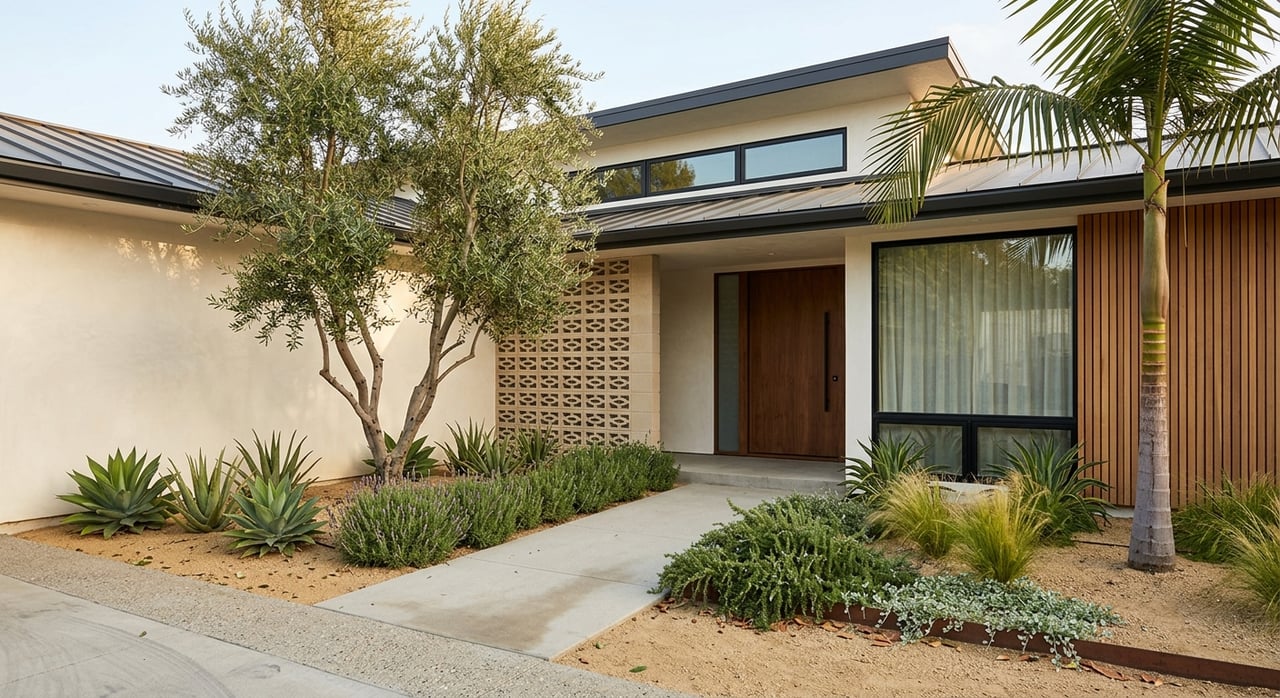
In Studio City, the line between ranch and contemporary design can blur. Some homes keep the low, broad ranch profile but add cleaner lines or larger windows that push the look in a more modern direction.
A well-known local example is the Brady Bunch House, completed in 1959 and designed by Harry Londelius Jr. The Los Angeles Conservancy describes it as a two-story single-family home with a cross- and side-gabled roof, front porch, and large windows. The property was designated a Historic-Cultural Monument on March 4, 2026.
This example matters because it shows how Studio City’s home styles do not always fit into rigid boxes. A house can carry ranch roots while also reflecting contemporary design ideas that became more common in the postwar era.
Mid-Century Modern in Studio City
If you are drawn to cleaner lines, more glass, and a stronger indoor-outdoor connection, mid-century modern may be the style you notice first. Los Angeles Planning defines mid-century modernism as a postwar modern style that was popular from roughly 1945 to 1975.
Key Mid-Century Features
The same planning guidance points to several traits that help identify this style:
- Flat or low-pitched roofs
- Open floor plans
- Extensive glass
- Indoor-outdoor flow
- Exposed posts and beams
These homes often feel lighter and more transparent than ranch homes. Instead of emphasizing a broad, grounded facade, they may highlight structure, openness, and the relationship between interior spaces and the outdoors.
Where Mid-Century Homes Show Up
Studio City survey records include multiple 1960s houses on Oakfield Drive classified as Modern, Mid-Century, according to SurveyLA materials. That confirms the style is part of the area’s real housing mix, not just an occasional standout.
If you are touring homes in the hills, you may also notice more expressive modern designs that respond directly to the site. In the Cahuenga Pass area, planning materials describe compact hillside homes with pier supports, floor-to-ceiling glass facing the canyon, deep eaves, and upper-story balconies.
Why Hillside Lots Matter
Topography shapes architecture in Studio City more than many buyers expect. On steep or narrow lots, the structure may be more engineered, more vertical, or more view-focused than a home on a flatter parcel.
That is especially true for mid-century and modern hillside homes. In many cases, the slope helps explain design choices that might otherwise seem unusual, such as elevated living areas, large view windows, or a compact footprint.
Touring Mid-Century Homes With a Sharp Eye
When you walk through a mid-century property, it helps to focus on the details that define the style. Look for thin roof planes, visible structure, strong lines, and the way the home connects to patios, decks, or outdoor space.
Many buyers also weigh how much updating may be needed. Based on the documented character-defining features, kitchens, baths, insulation, and systems may be areas to improve, while the original glass walls, post-and-beam rhythm, and indoor-outdoor flow are often the elements that carry the home’s design value.
New Builds and Contemporary Infill
Studio City is not only about older architectural styles. Newer construction is also part of the market, especially where older homes have been replaced over time.
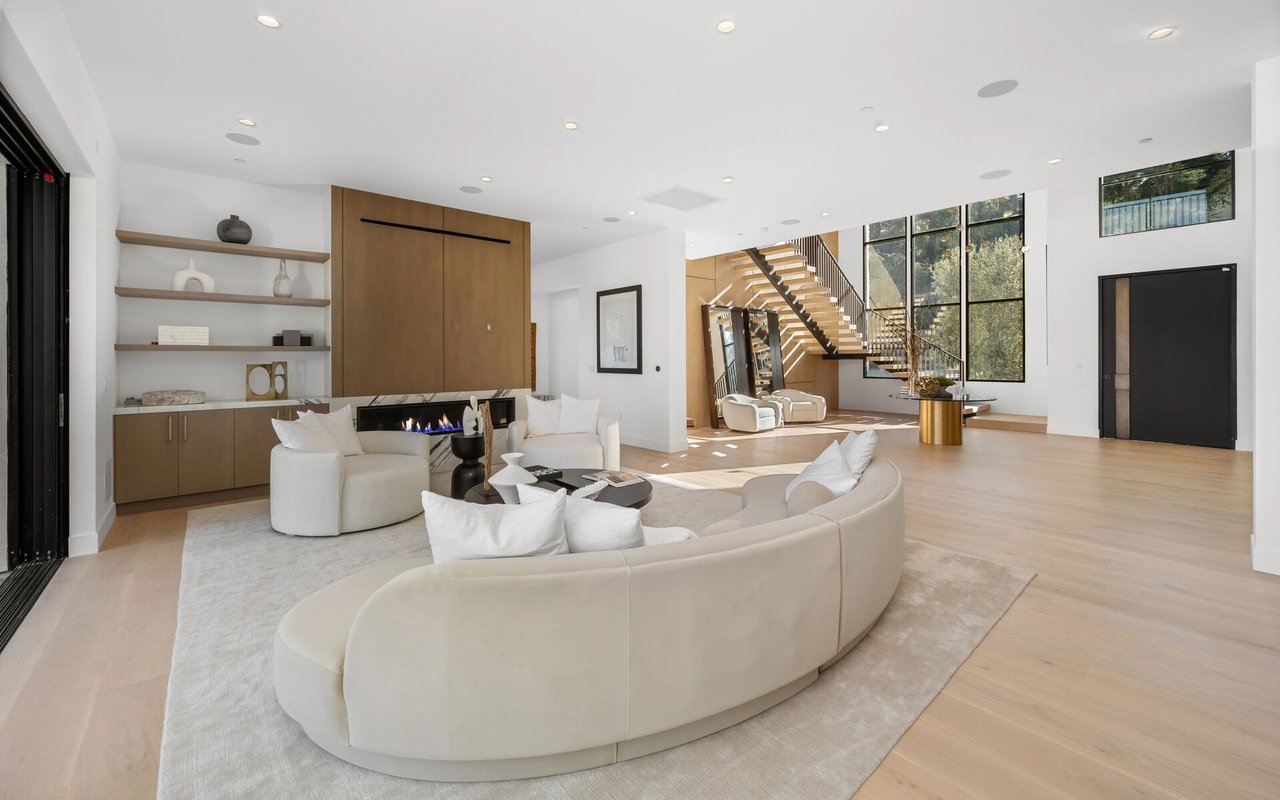
Los Angeles Planning guidance describes Contemporary architecture as a post-World War II style that evolved from Modernism and often features clean geometric forms, flat or low-pitched roofs, broad plate-glass openings, exposed wood or steel, and minimal ornament.
How Newer Homes Fit Into Older Tracts
Survey records show houses from the 1990s, 2000s, and 2010s on blocks that otherwise date from the 1920s to the 1950s, according to community planning records. That pattern points to infill and rebuild activity rather than one single new development wave.
For you as a buyer, that means a newer home in Studio City may sit next to much older housing stock. It is part of what gives the area its varied streetscapes.
What to Look For in Newer Infill
Newer infill homes often read as simpler in massing, larger in glazing, and more current in materials. In Studio City, these homes also have to respond to narrow flat lots or steep hillside conditions, which can strongly influence design.
The best examples tend to balance size with the lot, the street, and the surrounding topography. When you are comparing new builds, it helps to look beyond square footage and pay attention to how the home sits on the site.
How Style Recognition Helps You Buy Smarter
Studio City includes a wide range of architectural influences. According to Los Angeles Planning community plan materials, the broader area includes prewar Colonial Revival, Spanish Colonial Revival, Tudor Revival, Minimal Traditional, ranch, and mid-century modern examples.
That variety is one reason visual literacy matters when you are shopping. A one-story, horizontal house may point to ranch roots. A glassier home with visible structure may lean mid-century or contemporary. A compact or elevated design on a steep lot may reflect the site as much as the style.
If you understand those cues, it becomes easier to compare homes fairly. You are not just reacting to finishes or staging. You are also evaluating layout logic, renovation potential, design integrity, and how a home fits its setting.
What This Means for Sellers
If you are thinking about selling in Studio City, your home’s architectural style can shape how it should be presented. A ranch home, a preserved mid-century property, and a newer infill build do not tell the same story to buyers, even if they share a zip code.
That is where thoughtful positioning matters. The right marketing approach can highlight the features buyers actually value in that style, whether that is single-level flow, original design character, hillside views, or modern construction. For sellers, understanding that distinction can make pricing, preparation, and presentation much more strategic.
Whether you are buying or preparing to list, having local guidance helps you read past surface details and focus on what truly sets a property apart. If you want help evaluating a Studio City home or planning your next move, connect with Denise Marks for experienced, local guidance.
FAQs
What are the most common home styles in Studio City?
- Studio City includes ranch, contemporary ranch, mid-century modern, and newer contemporary infill homes, along with other earlier revival styles documented in local planning materials.
How can you identify a ranch home in Studio City?
- A Studio City ranch home is often one story with a horizontal shape, broad roof, overhanging eaves, exposed rafters, and picture windows.
Where do mid-century modern homes appear in Studio City?
- Survey records cited by Los Angeles Planning identify mid-century homes in Studio City, including examples on Oakfield Drive and hillside areas shaped by canyon and slope conditions.
Are new builds common in Studio City neighborhoods?
- Newer homes do appear in Studio City as infill or rebuilds, with survey records showing 1990s, 2000s, and 2010s houses within older tracts.
Why do Studio City homes look so different from one another?
- Studio City developed over multiple time periods, and local hills, views, and lot conditions helped shape a wide mix of architectural styles and forms.
How does home style affect buying in Studio City?
- Home style can affect layout, renovation potential, design features worth preserving, and how well a house fits its lot and setting, all of which can influence your decision-making.